
 English
  Arabic
  Dutch
Dutch  French
  German
  Italian
  Portuguese
  Russian
  Spanish
 What happens when a screw batch fails its length, surface-condition or corrosion-test requirement? Finding the issue is only the first step; the affected parts also need a clear release decision.
Nonconforming fastener control means identifying parts that do not meet an agreed requirement and keeping them from being released as acceptable products. The inspection criteria, affected batch and final disposition should be clear to the supplier and buyer.
In the Hongyuan factory video, the examples include screws below the required length, rust on incoming parts and passivated parts that did not meet the required salt spray criteria. This article explains the handling shown and the questions OEM buyers should resolve before shipment.
What Makes a Fastener Nonconforming?
A nonconforming fastener does not meet an applicable requirement. That requirement should be tied to the purchase specification, drawing or agreed acceptance criteria. A length issue, an unacceptable surface condition and an unsatisfactory test result need different checks; they should not be treated as one generic visual defect.
Before production, buyers and suppliers should clarify the features to be inspected and the basis for acceptance. A general product photograph cannot establish a length tolerance or a corrosion test requirement.
| Issue observed or reported | Requirement to clarify | Useful evidence to request |
|---|---|---|
| Length below requirement | Dimension reference points, nominal length and tolerance | Measurement against the agreed drawing |
| Rust on incoming parts | Material, surface condition and receiving acceptance criteria | Inspection findings and identification of the affected parts |
| Salt spray requirement not met | Test method, duration and agreed acceptance criteria | A report that identifies the tested parts and result |
How Are Rejected Fasteners Kept Out of Customer Orders?
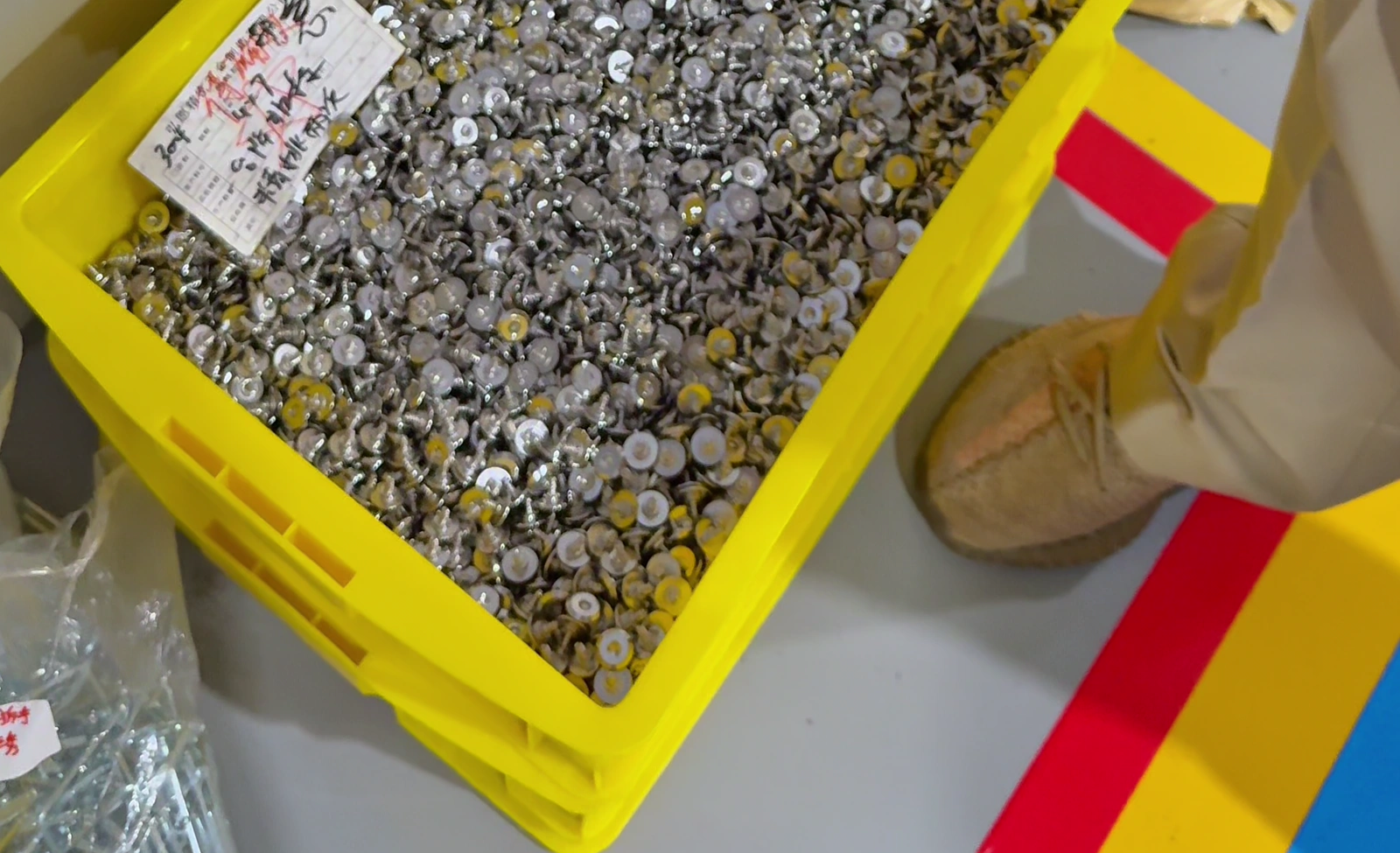
In the Hongyuan video, rejected products have a designated area. Parts that fail final acceptance requirements are scrapped instead of being packed into customer orders. Separating these products is the practical link between identifying a defect and preventing its release.
For a buyer evaluating a supplier, ask how the affected parts are identified and kept apart from acceptable stock. Discuss who is responsible for reviewing a rejection and confirming the disposition. Agree the handling and reporting requirements for your order before release.
Why Should Length, Surface Condition and Testing Be Reviewed Separately?
Dimensional acceptance needs an agreed reference
State how the length is defined on the drawing and which tolerance applies. Different head configurations or measuring reference points can cause misunderstandings if the enquiry only gives an informal size description. Make critical dimensions visible before quotation and sample review.
Incoming surface issues deserve their own review
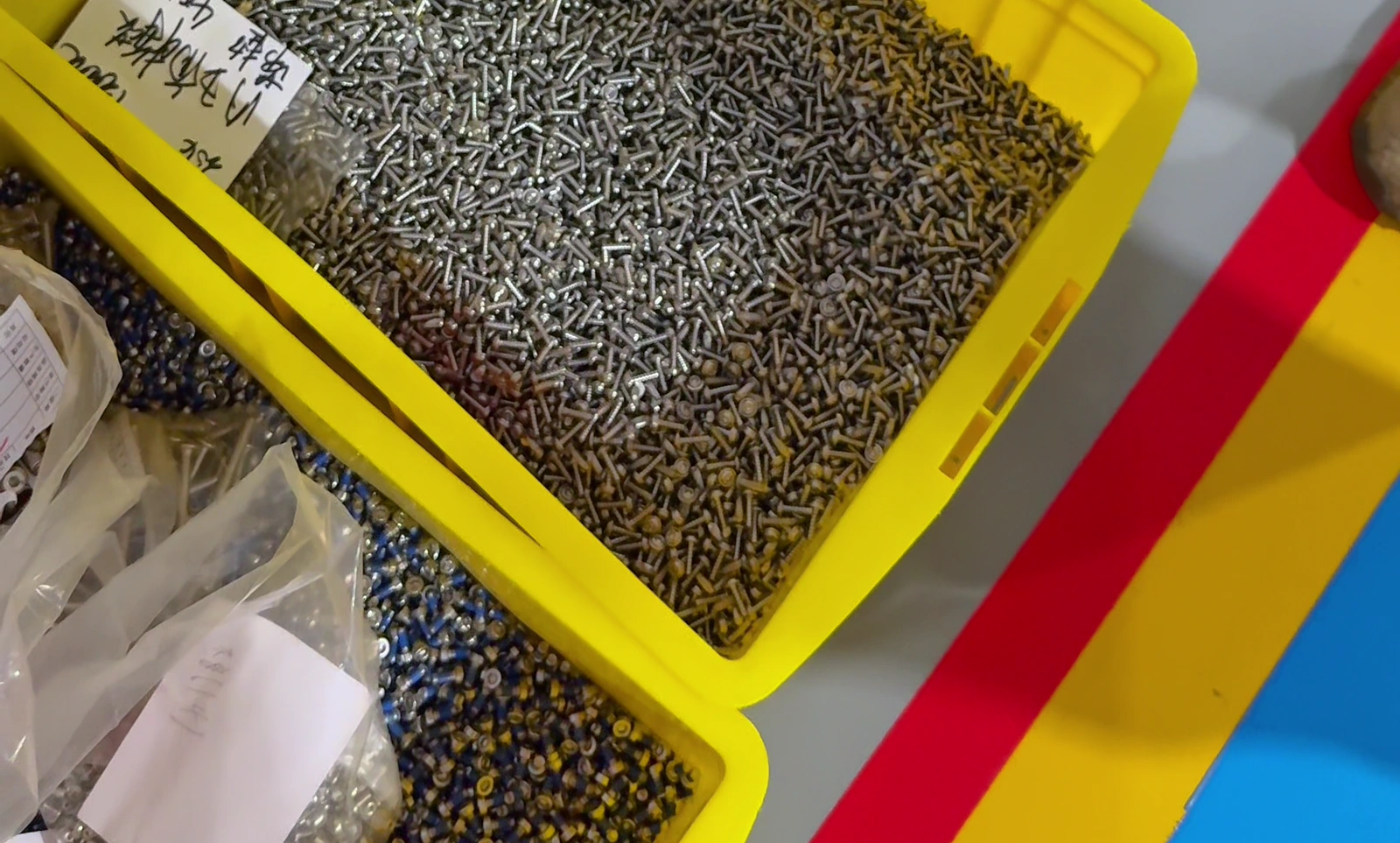
The video includes rust found on parts received from outside suppliers. For an incoming-part concern, identify the affected items and review the receiving requirement. A photograph may support a surface-condition discussion, but it does not identify the cause by itself.
A passivated appearance does not replace the required test
In this case, some passivated parts did not meet the required salt spray criteria. Buyers should agree the test scope and acceptance basis rather than assuming that the name of a surface treatment establishes a passing result. Request the relevant report where testing forms part of the purchase requirements.
What Should Buyers Confirm Before Order Release?
Keep the inspection discussion connected to the same specification used for samples and production. Use the following worksheet to agree the inspection scope and required records for your order.
| Checkpoint | Question to resolve | Record to agree |
|---|---|---|
| Specification | Are dimensions, material and finish clearly defined? | Drawing revision and purchase requirements |
| Inspection | Which features require measurement or visual checks? | Inspection scope and acceptance criteria |
| Testing | Is a corrosion or functional test required? | Method, duration where applicable, and report scope |
| Rejected parts | How will affected parts be separated and reviewed? | Disposition and communication requirements |
| Packing | What quantity, identification and protection are required? | Packing and labelling specification |
Frequently Asked Questions
Can a photo confirm that a screw meets its length requirement?
No. Use measurement against the agreed drawing and tolerance. A photograph can show configuration or visible condition, but it is not a dimensional inspection record.
Are all rejected fasteners automatically suitable for rework?
No. The appropriate disposition depends on the issue and acceptance requirements. In the case shown here, parts that fail final acceptance are scrapped and are not delivered to customers.
What should I send when discussing a quality requirement?
Provide the drawing revision, material, finish, application, quantity and required inspection or testing details. Mark unresolved requirements so they can be reviewed before a firm production commitment.
How Can You Discuss Acceptance Requirements with Hongyuan?
Explore our Screws range and Quality page for an introduction to our products and production approach. Our custom screw RFQ checklist can help you prepare the technical enquiry.






