English
  Arabic
  Dutch
Dutch  French
  German
  Italian
  Portuguese
  Russian
  Spanish
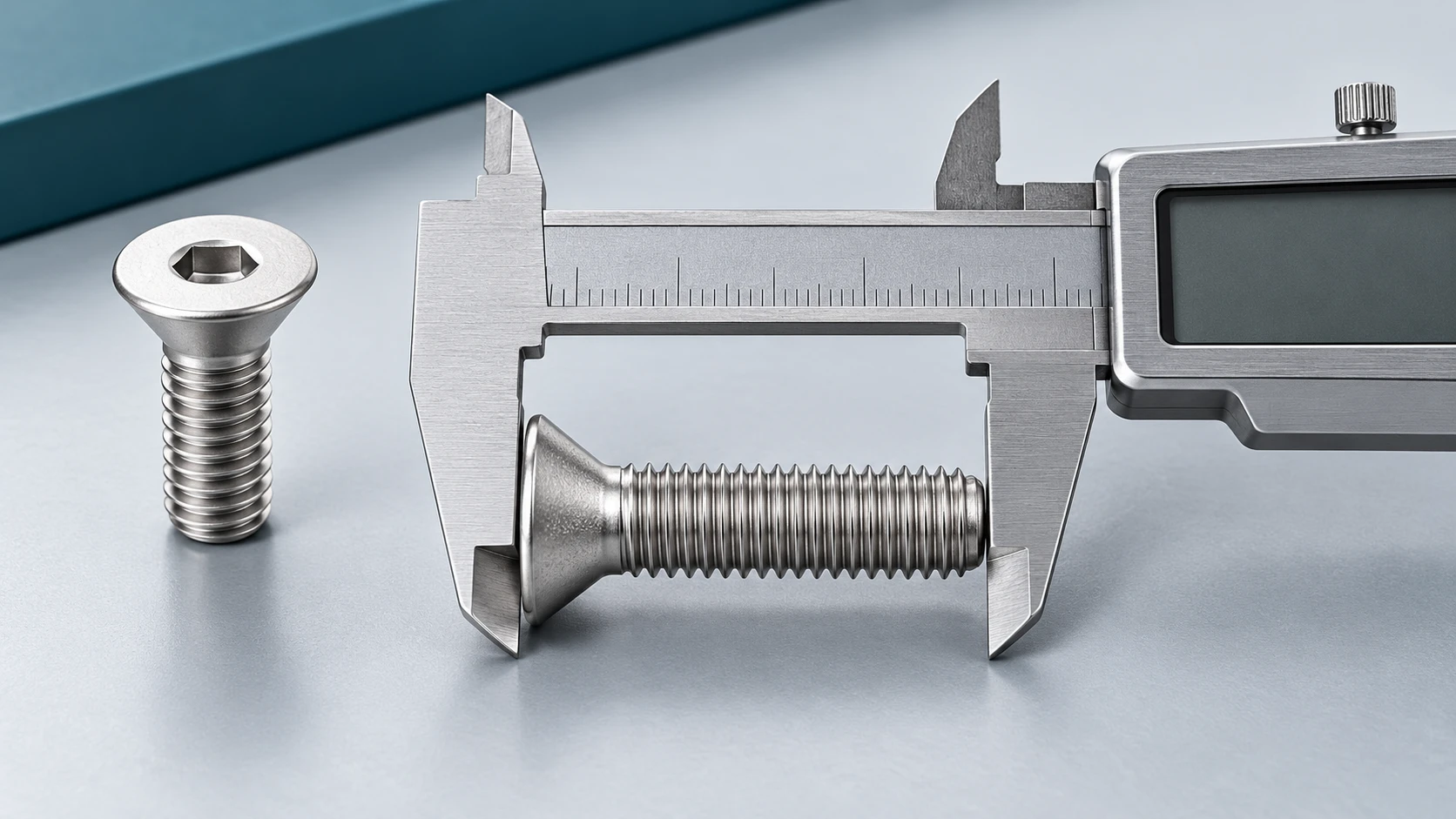
A stainless screw starts normally, then becomes difficult to turn before the head seats. The instinctive response is to increase the tool setting. For an OEM assembly team, the more useful question is where that resistance comes from: the threads, the locking feature, the hole bottom or the seating surfaces. This guide provides a practical way to organize that investigation and turn the findings into a better purchase specification.
What is stainless steel thread galling?
Under sliding contact and pressure, thread surfaces can adhere and transfer material. Stainless fasteners are susceptible, although galling also occurs in other alloys. Corrosion resistance and resistance to adhesive wear are different properties; choosing stainless steel does not remove the need to validate assembly conditions. Bossard describes galling as a friction-and-adhesion problem and identifies lubrication, surface treatment and design as areas to review. Bossard technical overview.
Galling should not be diagnosed from a single sound, torque spike or photograph. Preserve the screw and mating component, note when resistance appeared, and compare the thread geometry and assembly conditions against the drawing. This evidence makes a supplier discussion more useful than a general complaint that a screw is “too tight.”
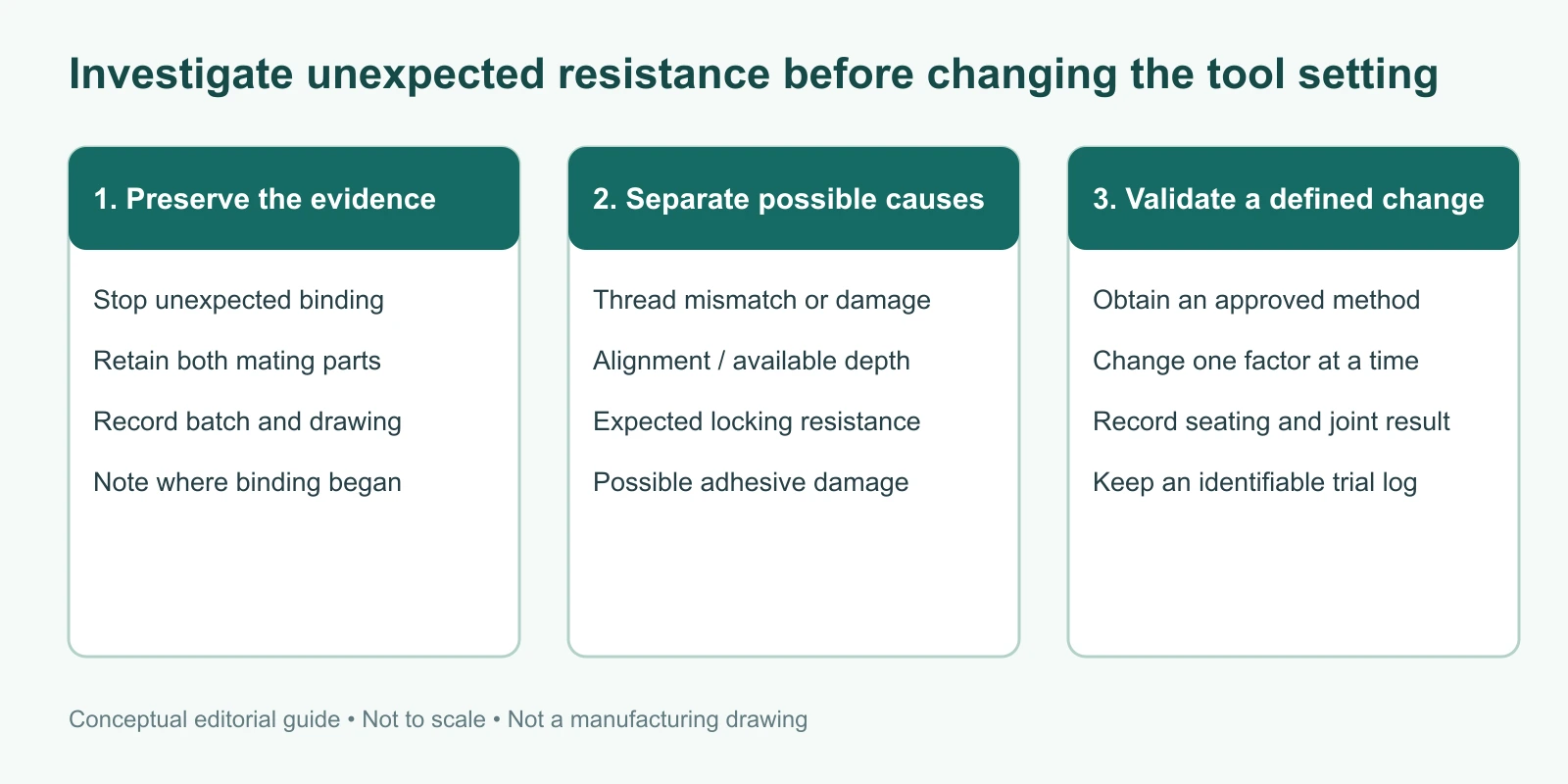
Separate galling from other causes of resistance
| Observation | Question to investigate | Useful evidence |
|---|---|---|
| Resistance before the head seats | Are the thread designation, alignment and available depth correct? | Drawing, mating-part identity and the position at which resistance begins |
| Resistance at a locking element | Is some running resistance expected for this specific locking feature? | Product specification and approved installation method |
| Visible thread damage | Was damage present before assembly, or did it develop during tightening? | Unassembled control samples and retained paired components |
| Head reaches the surface but the joint remains loose | Has the intended seating and stack geometry actually been achieved? | Section view, washer arrangement and gap inspection |
This table is a troubleshooting prompt, not a diagnostic test. More than one cause may be present. For example, a mismatched or damaged entry thread can create poor alignment and then contribute to further adhesive damage. Do not treat every difficult-to-turn stainless screw as proof of one material defect.
Why speed and lubrication must be reviewed together
Fastenal explains that slower installation can reduce galling risk and that lubrication changes the torque–tension relationship. Its guidance also warns that continued tightening after galling starts can damage the fastener. These are reasons to qualify the complete assembly process rather than simply add lubricant to an existing dry torque instruction. Fastenal engineering guidance.
Ask the joint designer to approve the lubricant or coating for the actual environment and to establish the corresponding tightening procedure. Record the product, application method and permitted condition. Do not substitute a universal percentage reduction in torque for validation, and do not assume every anti-seize formulation is appropriate for a clean process or a temperature-sensitive application.
A controlled change should answer two questions separately: does the assembly run down without unacceptable binding, and does it achieve the required joint condition? Passing the first question is not evidence that the second has been satisfied. Keep any change in lubricant, coating, mating material or tool program traceable to the trial record.
What should operators check before tightening?
Bolt Depot emphasizes clean, undamaged threads, lower installation speed and extra care with locking nuts. It also advises stopping when a fastener begins to bind. Use those precautions within the approved work instruction; expected locking resistance is different from an unexpected change during free running. Bolt Depot thread-galling reference.
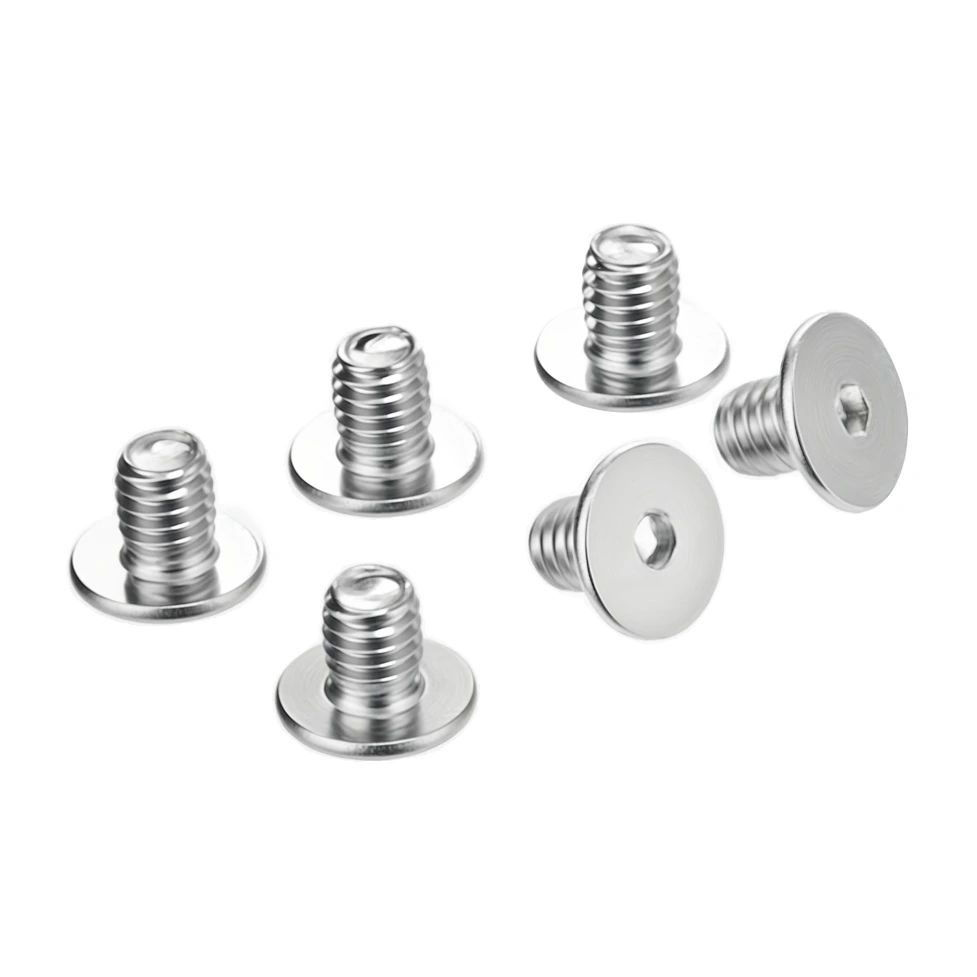
For a trial, keep the exact screw and mating-part combination identifiable. Mark the batch or sample reference, retain a drawing revision, and record whether the parts were new or previously assembled. If a technician changes several factors at once, the trial may show a different result without explaining which factor caused it.
An OEM trial record that supports a decision
| Record field | Example of what to document |
|---|---|
| Part definition | Screw and nut or tapped-hole identifiers; thread designation; drawing revision |
| Surface condition | Material specification, coating or lubricant identification, visible condition |
| Assembly method | Tool/program revision, speed setting, alignment method and operator instruction |
| Observation | When resistance begins, whether the head seats, and any retained damage evidence |
| Acceptance and next action | Designer-approved criteria, trial result, disposition and responsible reviewer |
Illustrative trial plan: compare an approved baseline against one proposed process change while holding the part definition and sample handling constant. Define the observations and acceptance criteria before the trial. This is an organizing method, not a prescribed sample size or a claim that Hongyuan has performed the test.
If an existing nut must remain in the assembly, say so in the enquiry. A supplier proposal that changes the mating material, coating or locking mechanism may create other trade-offs. Request an engineering review before accepting the proposal as an interchangeable solution.
What to include in a screw enquiry
Send the screw drawing, the mating thread specification and the assembly environment. Identify any required material documentation, surface treatment, lubrication restrictions, locking feature and inspection records. Include photographs of retained parts where useful, but label an observed symptom separately from a confirmed failure mechanism. This allows a technical response to address the actual joint rather than the screw in isolation.
Frequently asked questions
Does stainless steel grade alone guarantee trouble-free tightening?
No. The mating component, surfaces and installation conditions also matter. Define the complete combination and verify it in the application.
Can a higher tool setting overcome suspected galling?
Do not use a higher setting as a troubleshooting shortcut. Stop unexpected binding and investigate the parts and process before continuing.
Can I keep the same torque instruction after adding lubricant?
The existing instruction needs review because changing friction changes the relationship between torque and joint loading. Obtain an approved procedure for the new condition.
What information helps a supplier investigate?
Provide paired parts, batch identifiers, drawings, the point where resistance appeared and the actual installation conditions. A symptom description is more useful when it is tied to retained evidence.
Discuss the complete fastening combination with Hongyuan
For an OEM screw enquiry, provide the drawing, mating-part details, quantity and the assembly conditions that need review. Ask which material, finish and inspection requirements can be evaluated for your project. Confirm scope before ordering; this article does not promise a particular anti-galling coating or certified test capability.
Related Hongyuan guides
For wider material and purchasing context, read our custom stainless steel screw guide. Prepare your mating-part drawing and trial requirements, then send a Hongyuan enquiry.