
 English
  Arabic
  Dutch
Dutch  French
  German
  Italian
  Portuguese
  Russian
  Spanish
 Have you ever encountered assembly failures even with correctly sized screws? In most industrial batch projects, thread mismatch, rather than diameter errors, causes loose connections and thread stripping.
Screw threads determine how fasteners lock into threaded holes, nuts, and base materials. For OEM buyers and field engineers, different screw thread types fit completely different working conditions.
Many procurement mistakes occur due to confused classification logic. Threads are defined by three separate criteria: industry standards, pitch specifications, and installation engagement methods.
Metric, UNC, UNF, coarse, fine and self-tapping threads do not belong to the same classification dimension. One screw can combine multiple thread features. For instance, a standard metric machine screw can be both a metric-standard thread and a coarse-thread fastener.
What Are the Different Types of Screw Threads?
Metric Threads
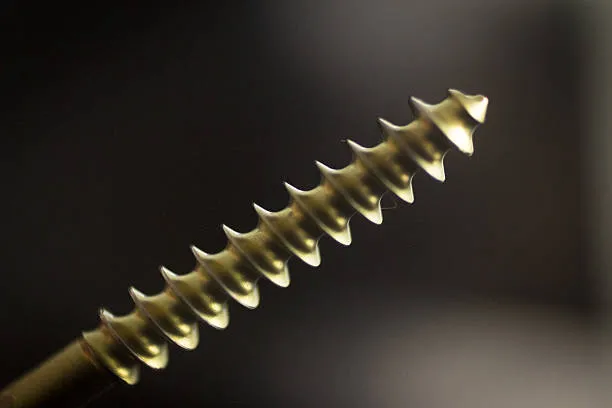
Metric threads are measured in millimeters and are widely used in international industrial manufacturing. They typically adhere to ISO standards, though some products may reference DIN or other national or industry standards.
A typical specification is M4 × 0.7:
- M indicates a Metric thread.
- 4 represents the nominal thread diameter of 4 mm.
- 0.7 represents the thread pitch of 0.7 mm.
Metric screw threads are common in industrial machinery, electronics, appliances, automotive equipment, and other products manufactured for international markets.
For OEM applications, the complete thread specification is important because the nominal diameter alone does not define whether two threaded components will fit together.
UNC and UNF Threads
UNC and UNF are part of the Unified Thread Standard commonly used for inch-based fasteners.
- UNC means Unified National Coarse.
- UNF means Unified National Fine.
Unlike Metric threads, Unified threads are normally specified using inches and threads per inch (TPI).
| Feature | UNC | UNF |
| Full name | Unified National Coarse | Unified National Fine |
| Thread type | Coarse | Fine |
| Measurement | Inch-based | Inch-based |
| Thread density | Lower TPI | Higher TPI |
| Typical use | General fastening | Precision-oriented applications |
UNC and UNF threads are commonly found in U.S.-standard equipment, machinery, industrial maintenance, and replacement fasteners.
Coarse and Fine Threads
“Coarse thread” and “fine thread” refer to the thread pitch, while UNC and UNF refer to specific thread series within the Unified Thread Standard, he two concepts shouldn’t be conflated.
For a given length, coarse threads have fewer turns, whereas fine threads have more. During the production of precision screws, Hongyuan Fastener strictly controls thread dimensions and pitch in accordance with specific screw designs and application requirements.
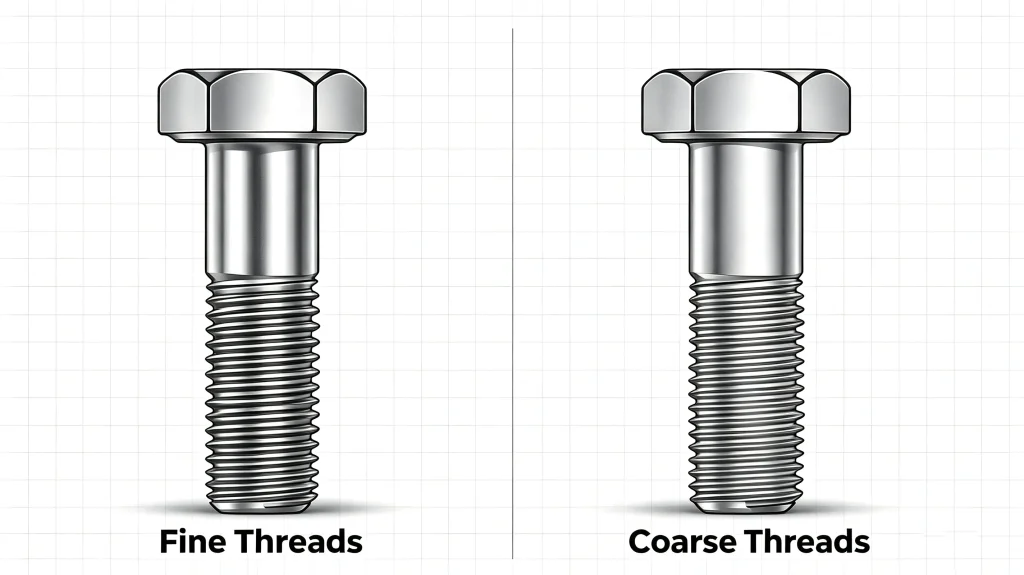
The difference can affect several aspects of assembly:
- Engagement: Fine threads provide more threads within a given length.
- Installation: Coarse threads can generally be installed more quickly.
- Material compatibility: Coarse threads are often used where easier thread engagement is needed, including some softer materials.
- Adjustment: Fine threads can provide more precise adjustment where controlled movement is required.
- Vibration and load behavior: Thread geometry, engagement length, preload, material, and application conditions all influence actual performance, so thread pitch should not be considered in isolation.
Importantly, Metric threads can also be coarse or fine. Similarly, UNC and UNF provide examples of coarse and fine Unified threads.
Self-Tapping Screw Threads
Self-tapping screw threads are designed to engage with materials that do not necessarily have a pre-machined internal thread.
During installation, the screw thread can form or cut a mating thread in the material. The exact mechanism depends on the screw design and the material being fastened.
Self-tapping screws are commonly used for:
- Sheet metal
- Plastic housings
- Appliances
- Electronics enclosures
- Other thin or relatively soft materials
Thread geometry and tip design vary depending on the application. Not all self-tapping screws eliminate the need for pre-threaded holes.
Machine Screw Threads
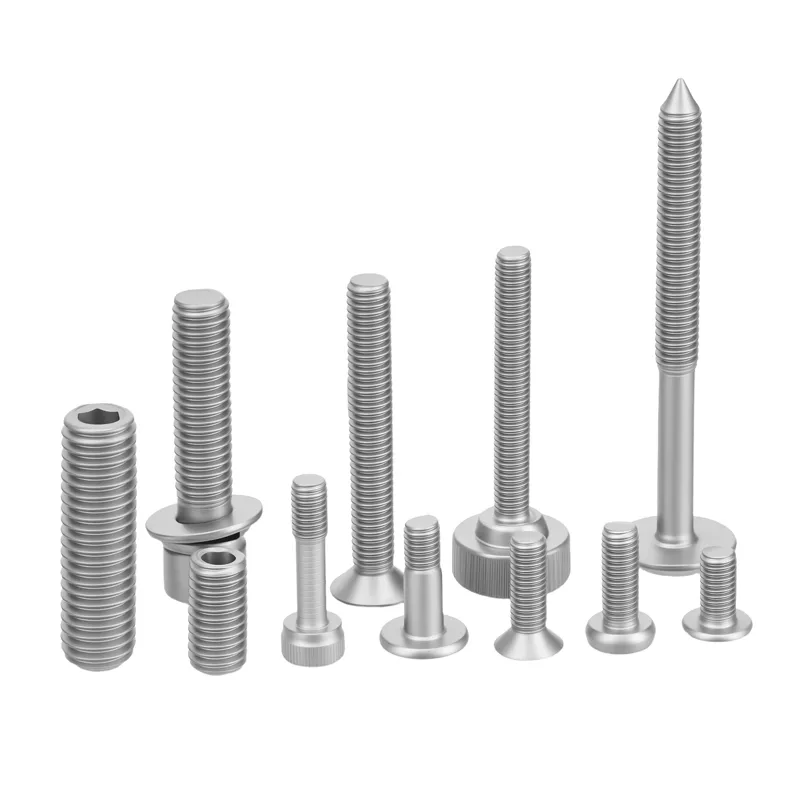
Machine screws are generally designed to engage with a pre-formed internal thread, such as a tapped hole or a matching nut.
They are widely used in:
- Machinery
- Electronic components
- Appliances
- Precision equipment
- Industrial assemblies
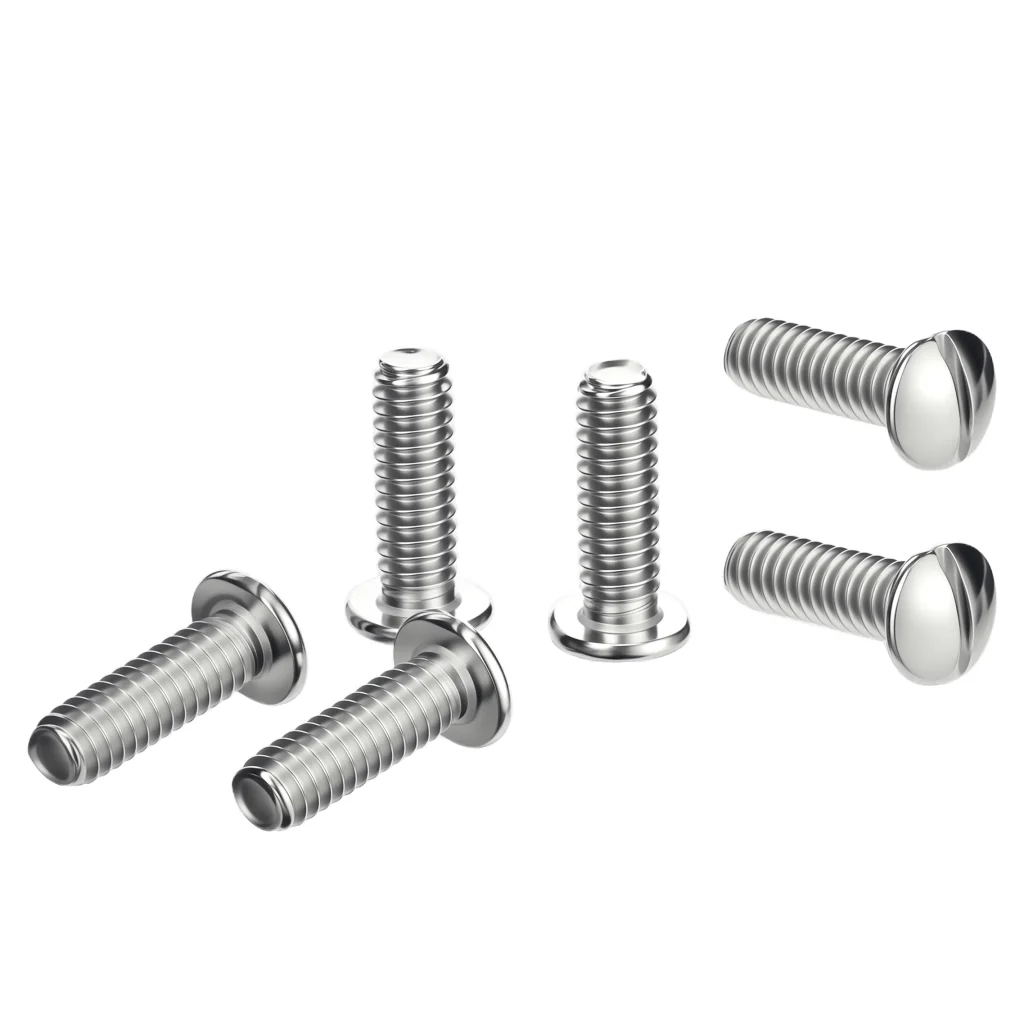
“Machine screw” describes the intended mating method, not a specific thread standard. Machine screw threads may conform to Metric, UNC, UNF, or other recognized thread standards.
How Do Different Screw Thread Types Differ?
The main difference between the different screw thread types is what characteristic is being used to classify them. Metric, UNC, and UNF primarily describe thread standards; coarse and fine describe pitch; self-tapping and machine screws describe how the screw engages with the mating material.
| Thread Type | Main Characteristic | Typical Use |
| Metric | Diameter and pitch specified in mm | Industrial equipment, machinery |
| UNC | Unified coarse thread | General fastening, machinery |
| UNF | Unified fine thread | Precision-oriented assemblies |
| Coarse Thread | Larger pitch | General fastening, faster assembly |
| Fine Thread | Smaller pitch | Precision assemblies, finer adjustment |
| Self-Tapping | Forms or cuts a mating thread during installation | Sheet metal, plastic |
| Machine Screw Thread | Designed for a matching threaded hole or nut | Machinery, electronics |
These categories can overlap. For example, an M4 × 0.7 machine screw can be described as:
Metric + coarse-pitch + machine screw
Here, “Metric” identifies the thread standard, “0.7 mm” identifies the pitch, and “machine screw” describes how the screw is intended to engage with the mating component.
This distinction is useful when reading OEM drawings and product specifications. Two screws may have similar nominal diameters but still be incompatible if their thread standards or pitches are different.
Where Are Different Screw Thread Types Commonly Used?
Different thread types are associated with different manufacturing and assembly requirements.
Metric Threads
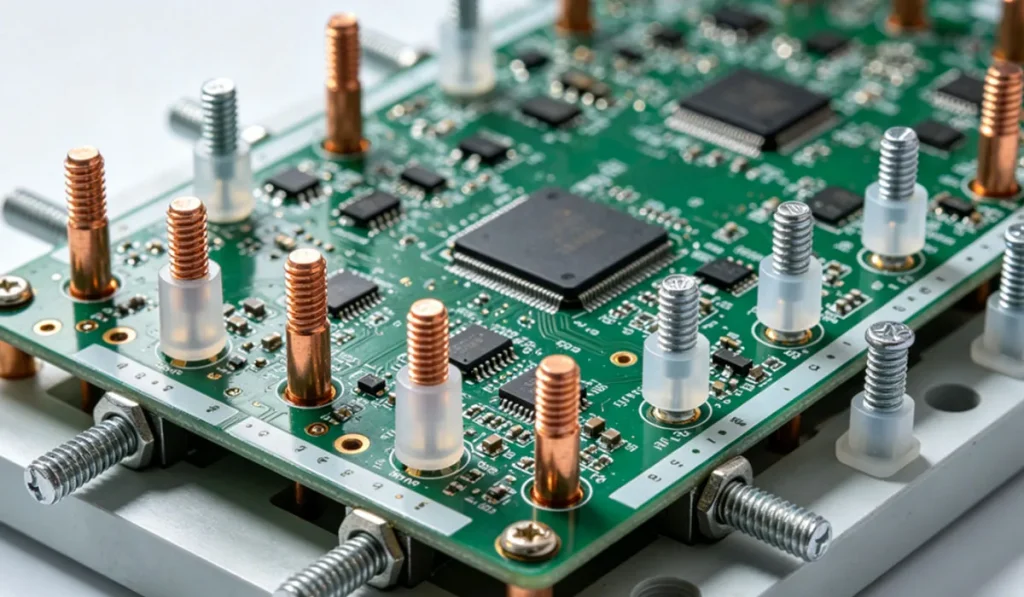
Metric threads are widely used in international manufacturing, including:
- Industrial machinery
- Electronics
- Appliances
- Automotive and industrial equipment
They are particularly common in products designed around metric engineering standards.
UNC / UNF Threads
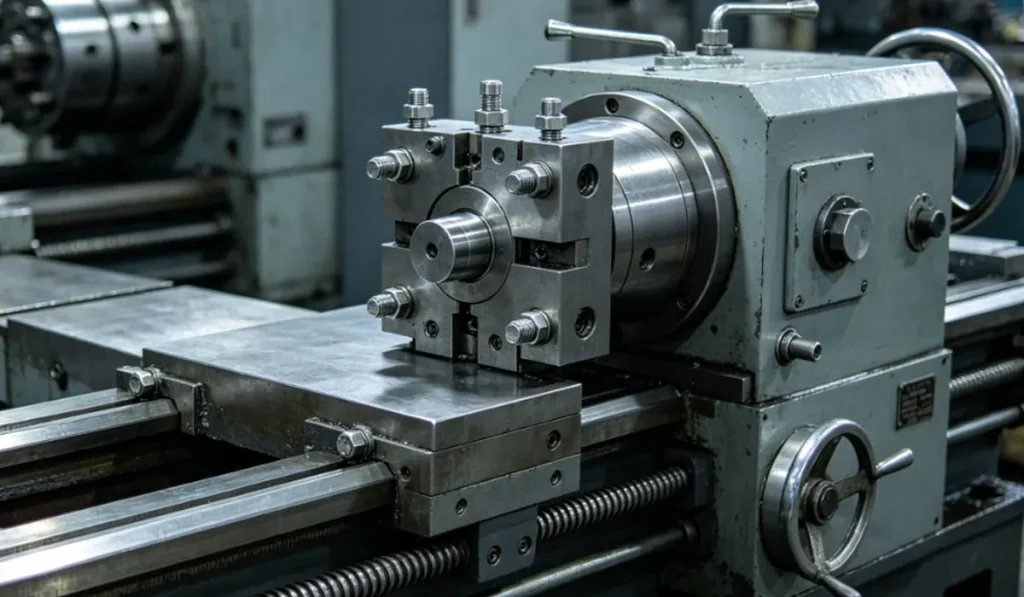
UNC and UNF threads are often found in:
- U.S.-standard equipment
- Machinery
- Industrial maintenance
- Replacement fasteners
UNC is commonly used for general fastening, while UNF is used where a finer Unified thread is specified.
Coarse Threads
Coarse threads are commonly used for:
- General fastening
- Applications requiring faster assembly
- Some softer or less dense materials
Their larger pitch can make installation and engagement relatively straightforward, depending on the material and application.
Fine Threads
Fine threads are often used for:
- Precision assemblies
- Applications with limited material thickness
- Applications requiring finer adjustment
They provide more threads per unit length, which can be useful where the design requires finer thread pitch.
Self-Tapping Threads
Self-tapping screws are commonly used in:
- Sheet metal
- Plastic housings
- Appliances
- Electronics enclosures
They can reduce the need for a separately formed internal thread in suitable materials and applications.
Machine Screw Threads
Machine screws are common in:
- Machinery
- Electronic components
- Appliances
- Precision equipment
They are normally used with a tapped hole or nut that matches the screw’s thread specification.
Final Thoughts on Screw Thread Types
There are several ways to classify different screw thread types. For B2B buyers, understanding these classifications makes it easier to read technical drawings, communicate specifications, and avoid thread compatibility issues during procurement and assembly.
Hongyuan Fastener supplies screws with different thread types and supports standard and non-standard screw production for OEM applications. Based on drawings or samples, the company can manufacture screws with specified thread dimensions, pitches, lengths, tolerances, and other requirements. With cold heading, thread rolling, and inspection capabilities, Hongyuan Fastener supports precision screw production for industrial and OEM applications.






