
 English
  Arabic
  Dutch
Dutch  French
  German
  Italian
  Portuguese
  Russian
  Spanish
 In OEM projects, selecting the right custom Chicago screws manufacturer is essential for ensuring product quality, assembly efficiency, and supply stability. These fasteners are widely used in leather goods, electronics, and industrial assemblies, where precision and consistency matter.
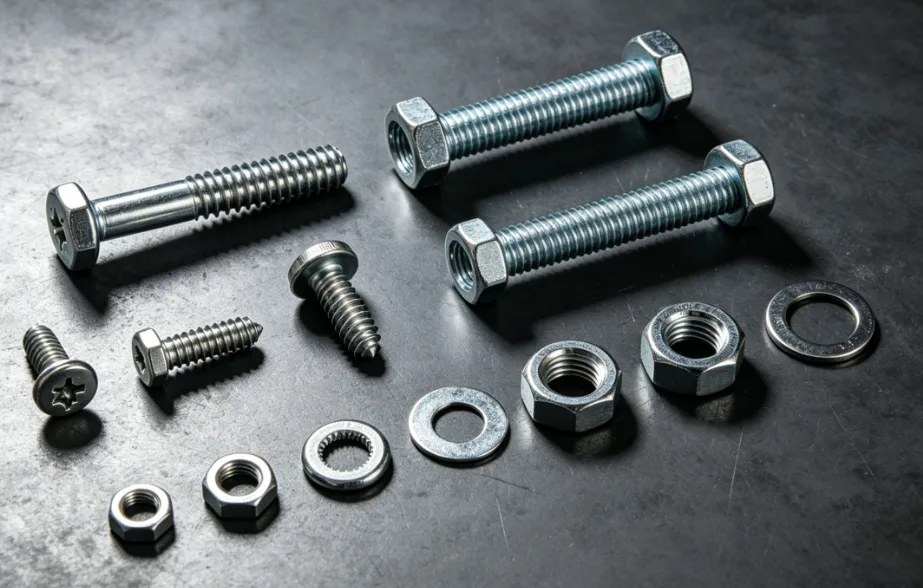
Not all suppliers can meet OEM requirements such as tight tolerances, stable production, and customization support. This guide explains how to choose a reliable manufacturer to reduce sourcing risks and ensure long-term cooperation.
1. Identify your OEM needs: not all vendors are suitable
Before selecting a custom Chicago screws (binding posts / sex bolts) manufacturer, the first and most important step is to clearly define your OEM requirements. In industrial and custom hardware projects, not every supplier has the capability to support long-term OEM production with stable quality and consistent supply.
To evaluate whether a manufacturer is suitable, you should clearly identify the following key parameters:
- Application scenario: Determine whether the custom Chicago screws will be used for load-bearing structures, decorative assemblies, leather goods, or electronic structural components, as different applications require different material strength and precision levels.
- Working environment: Consider whether the product will be used indoors, outdoors, or in harsh conditions such as high humidity, salt exposure, or chemical corrosion. This directly affects material and coating selection.
- Assembly method: Clarify whether installation will be manual or part of an automated production line, as this impacts thread design, tolerance control, and packaging requirements.
- Annual purchasing volume and batch requirements: Define expected order frequency and volume to ensure the supplier can support continuous production without quality fluctuation.
Key point:
OEM procurement is not about one-time purchasing. It requires a manufacturer capable of delivering stable, repeatable production, strict quality control, and long-term supply reliability to support your brand and production system over time.
2. From Drawing to Prototype: Engineering Support Is the Core Capability

A high-quality custom Chicago screws manufacturer is not just a production supplier, but an engineering partner who can actively support product development from concept to final production.
When evaluating a supplier, the following engineering capabilities are critical:
- Rapid prototyping from 2D/3D drawings: The manufacturer should be able to accurately interpret technical drawings and quickly produce samples for validation and testing.
- Structural optimization suggestions: This includes recommendations on thread compatibility, length tolerance adjustment, head design, and assembly fit to improve overall product performance.
- Material substitution and cost optimization: A strong supplier can propose alternative materials (such as stainless steel, brass, or aluminum) to balance cost, strength, and corrosion resistance without compromising quality.
Extended insight:
Manufacturers with strong engineering capabilities can identify potential design issues early in the development stage, helping to reduce assembly problems, improve production efficiency, and lower overall project costs.
3. Production Process & Equipment Capability: The Key to Consistency and Precision
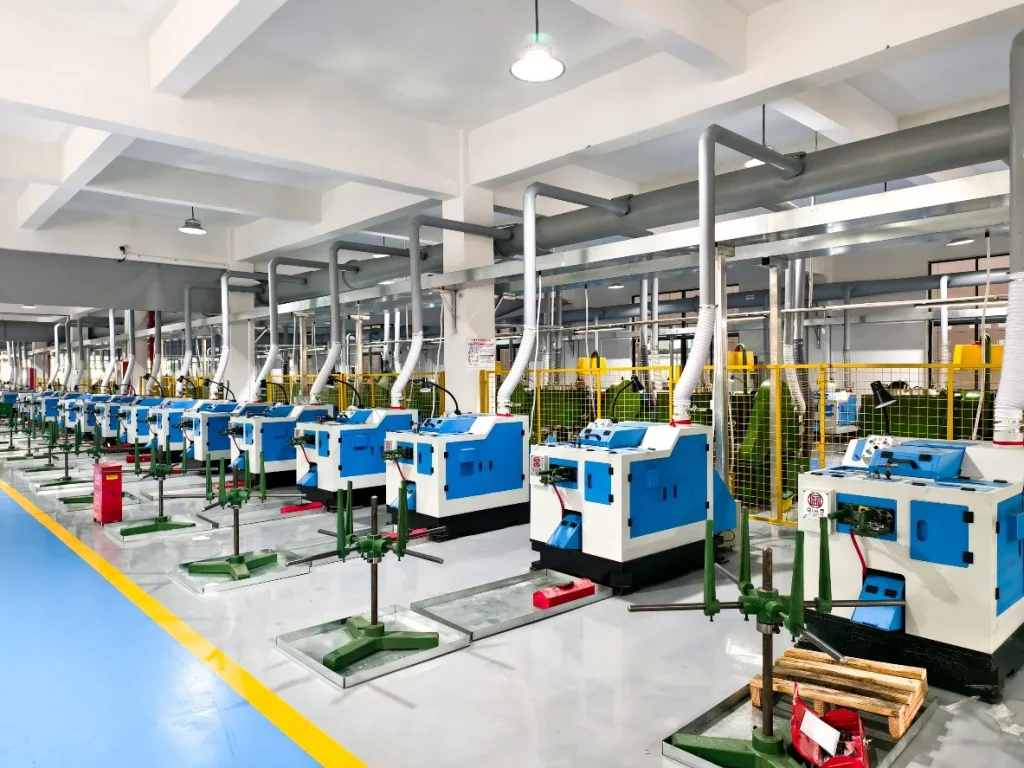
In OEM projects, product consistency and dimensional accuracy are critical. Therefore, evaluating a custom Chicago screws manufacturer’s production capability is essential to ensure stable quality in mass production.
Key technical aspects include:
- CNC precision machining capability: High-precision CNC equipment ensures accurate dimensions, smooth surfaces, and consistent part geometry across large production runs.
- Cold forging or turning process compatibility: Depending on product structure and material, the manufacturer should be capable of selecting the appropriate forming process to balance strength, cost, and efficiency.
- Thread machining accuracy (e.g., 6g/6H standards): Precise thread control is essential for smooth assembly, reliable fastening, and long-term durability.
- Surface finishing stability: Processes such as electroplating, anodizing, or passivation must be stable and repeatable to ensure corrosion resistance and consistent appearance.
Key point:
In mass production, dimensional deviation and surface defects are among the most common quality risks. A manufacturer with stable equipment, strict process control, and mature production systems is essential to minimize these issues and ensure consistent OEM product quality.
4. Quality Control System: Full-Process Management from Incoming Materials to Shipment
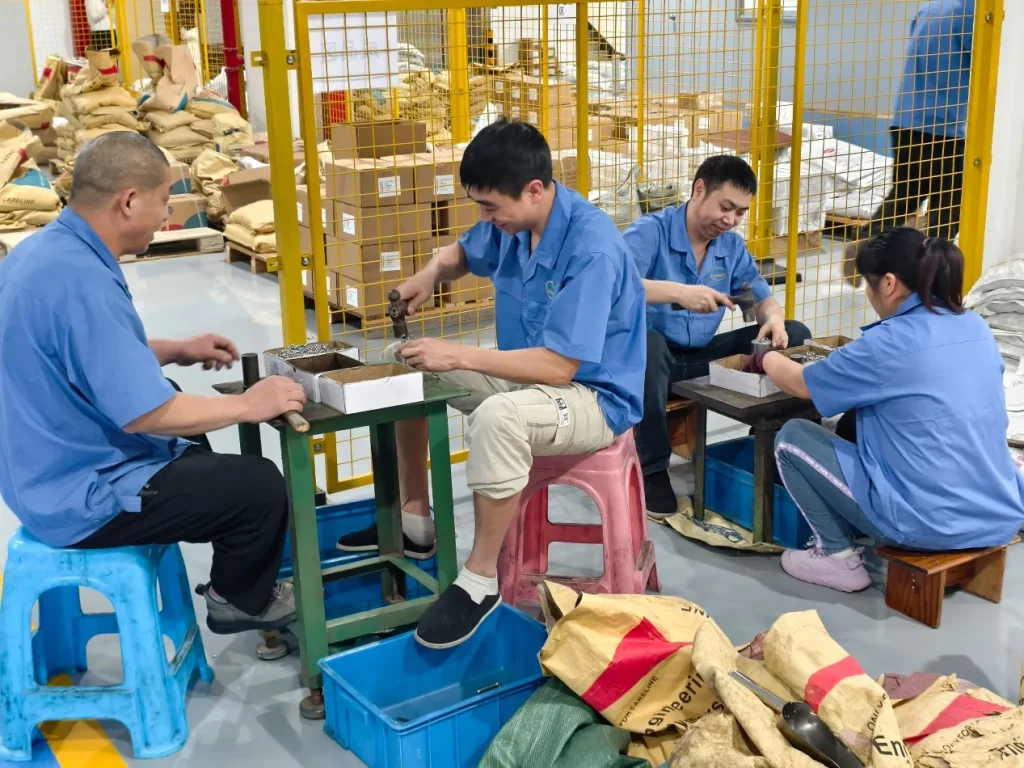
When selecting a custom Chicago screws manufacturer, certifications alone are not enough. What truly matters is the real execution capability of the quality control system across the entire production process.
- Complete inspection workflow: The manufacturer should implement full-stage quality control, including Incoming Quality Control (IQC), In-Process Quality Control (IPQC), and Outgoing Quality Control (OQC), to ensure defects are identified and eliminated at every stage.
- Performance testing capability: Essential tests such as salt spray testing, torque testing, and durability testing should be available to verify corrosion resistance and mechanical strength under real working conditions.
- Third-party inspection support: Reliable manufacturers should be able to provide or cooperate with independent third-party testing reports for quality verification and compliance requirements.
- Batch traceability system: A well-established traceability system ensures that every production batch can be tracked back to raw materials, production records, and inspection data, improving accountability and quality consistency.
Additional note:
For export-oriented OEM projects, consistent product quality directly impacts end-user experience and brand reputation, making a robust quality control system a critical selection factor.
5. Material & Surface Treatment Selection: Impact on Product Lifespan and Brand Image
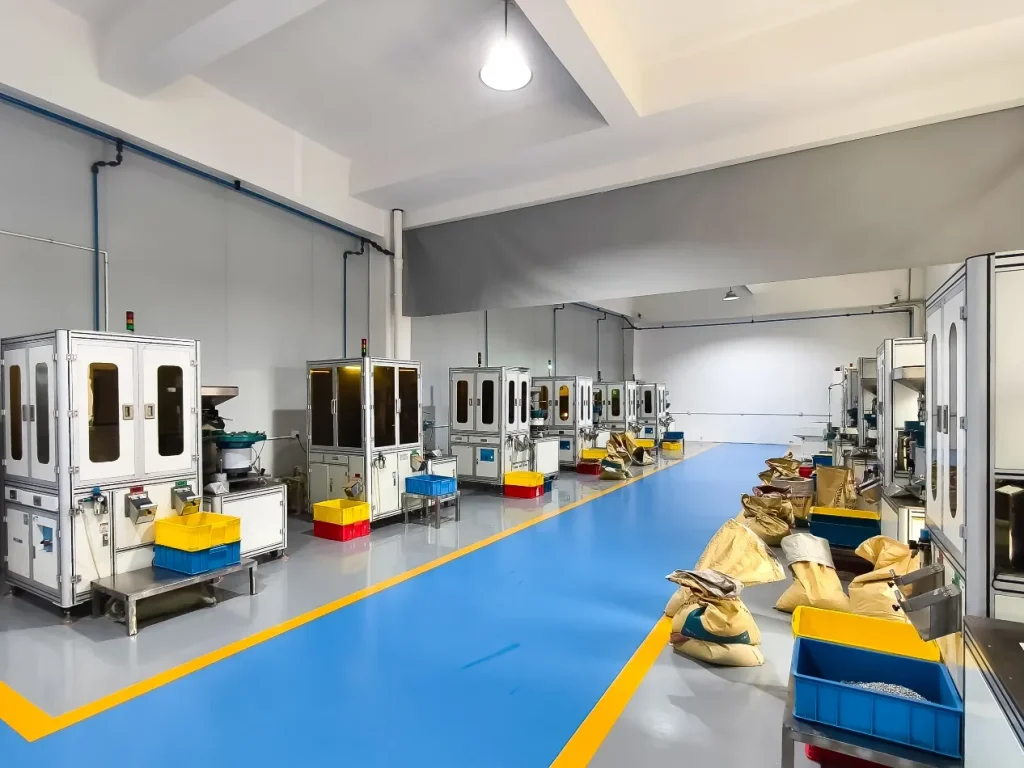
Different OEM industries require different material standards for custom Chicago screws, as material choice directly affects durability, performance, and visual quality.
- Stainless steel vs carbon steel vs brass applications: Stainless steel offers excellent corrosion resistance for outdoor or high-humidity environments. Carbon steel provides higher cost efficiency for general industrial use, while brass is often used in decorative or premium applications due to its appearance and corrosion resistance.
- Impact of surface treatment on corrosion resistance: Finishes such as nickel plating, black oxide, zinc plating, or anodizing significantly influence the product’s resistance to rust, wear, and environmental damage.
- Appearance consistency and brand impact: For consumer-facing products such as leather goods, bags, or accessories, consistent surface color and finish quality are critical to maintaining a strong and professional brand image.
Recommendation:
When selecting a supplier, ensure they have the capability to provide multiple material options and integrated surface treatment solutions to meet different application requirements.
6. Delivery Capability & Supply Chain Stability: Avoiding “Supply Disruption Risk”
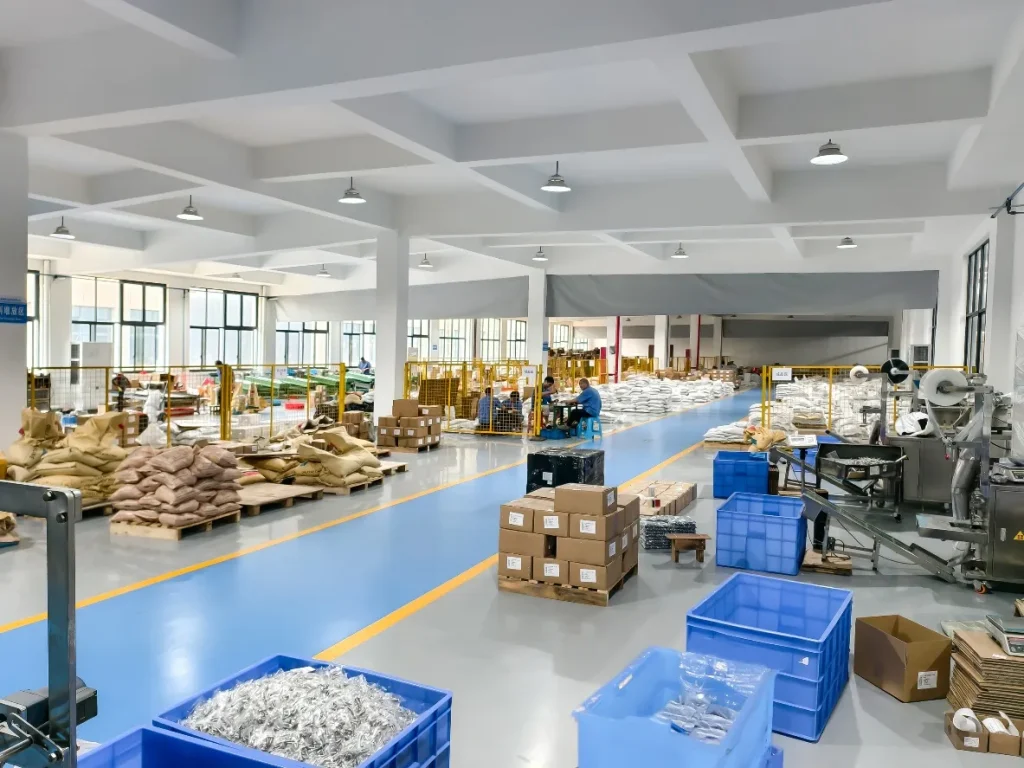
OEM projects are typically long-term and continuous, making supply chain stability a critical factor in supplier selection.
- Sample lead time (typically 7–15 days): Fast and reliable prototyping capability ensures smooth project development and faster time-to-market.
- Mass production lead time control: The supplier should have stable production scheduling and predictable delivery timelines for bulk orders.
- Raw material supply stability: Consistent access to steel, stainless steel, or brass materials is essential to avoid production delays.
- Safety stock and inventory system: A mature manufacturer should maintain buffer stock for common materials or standard components to respond quickly to urgent orders.
Real-world issue:
In OEM supply chains, delayed delivery often causes more damage than price differences, affecting downstream production schedules and customer commitments.
7. Cost Structure Analysis: Low Price Does Not Mean Low Cost
In B2B procurement, evaluating suppliers based only on unit price is misleading. A more accurate approach is to analyze the total cost of ownership (TCO).
- Unit price of the product
- Hidden costs caused by defect rates (rework, rejection, replacement)
- Financial loss from delivery delays
- After-sales service and replacement costs
Core insight:
A high-quality custom Chicago screws manufacturer may have a slightly higher unit price, but it often reduces overall project costs by improving yield rate, delivery reliability, and assembly efficiency.
8. Common Procurement Mistakes: Avoiding Typical OEM Pitfalls
Many OEM purchasing failures are caused by avoidable mistakes. The most common include:
- Choosing suppliers based only on the lowest price: Often leads to unstable quality and long-term hidden costs.
- Skipping sample validation stage: Increases the risk of mass production defects and design mismatches.
- Ignoring thread standard compatibility: Mismatched standards can cause assembly failure or functional issues.
- Neglecting batch consistency verification: Leads to variation in size, finish, or strength across production batches.
Credibility value:
Using real-world procurement mistakes helps improve content authority, increases reader trust, and enhances search engine engagement signals.
9. Conclusion
Choosing a custom Chicago screws manufacturer is essentially choosing a long-term OEM partner, not just a supplier. The right partner ensures stable quality, reliable delivery, and engineering support throughout production.
Action Steps:
- Send drawings or requirements for evaluation
- Request samples for testing before mass production
- Set up long-term supply and quality agreements
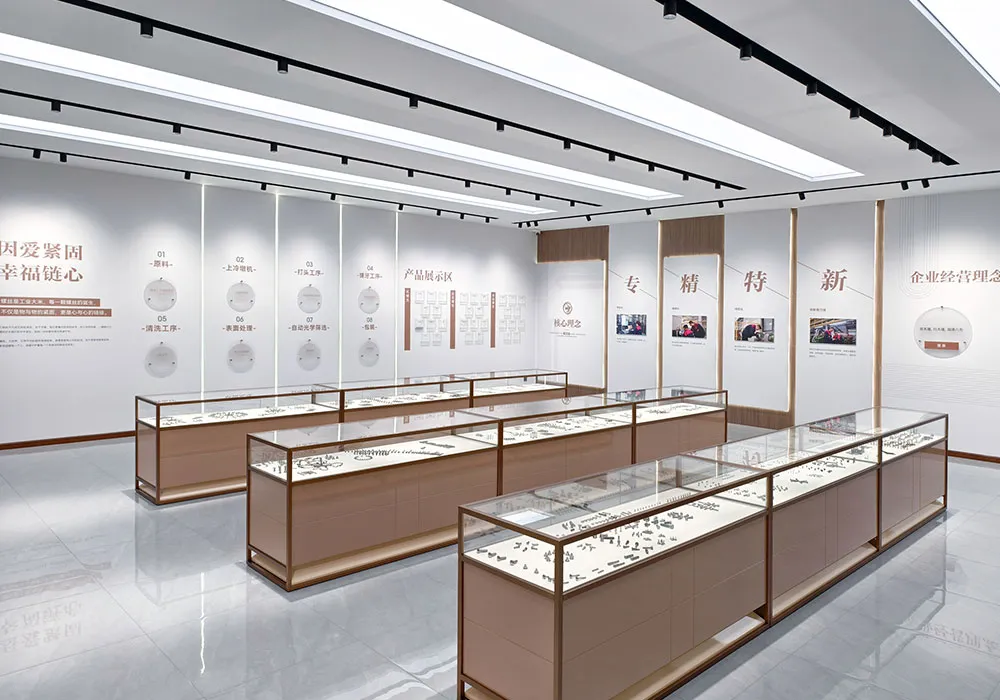
For OEM and custom Chicago screws solutions, you can contact Hongyuan Fastener, a manufacturer specializing in custom fastener production and industrial supply.






