
 English
  Arabic
  Dutch
Dutch  French
  German
  Italian
  Portuguese
  Russian
  Spanish
 In modern manufacturing, stainless steel self tapping screws play a critical role in industrial equipment, automated assembly systems, electronics, and construction applications. Their ability to provide fast, secure, and reliable fastening makes them essential across a wide range of industries.
As production standards continue to evolve, customized self tapping screws have become increasingly important for improving assembly efficiency, enhancing product durability, and reducing long-term maintenance costs. Choosing the right fastener supplier is equally important for ensuring stable quality and reliable delivery.
As a professional fastener manufacturer, Hongyuan Fastener provides customized stainless steel self tapping screw solutions for OEM manufacturers and industrial projects worldwide. This article will help buyers and engineers better understand material selection, performance advantages, and sourcing considerations for custom self tapping screws.
Why Choose Stainless Steel Self Tapping Screws
1. Excellent Corrosion Resistance and Long-Term Durability
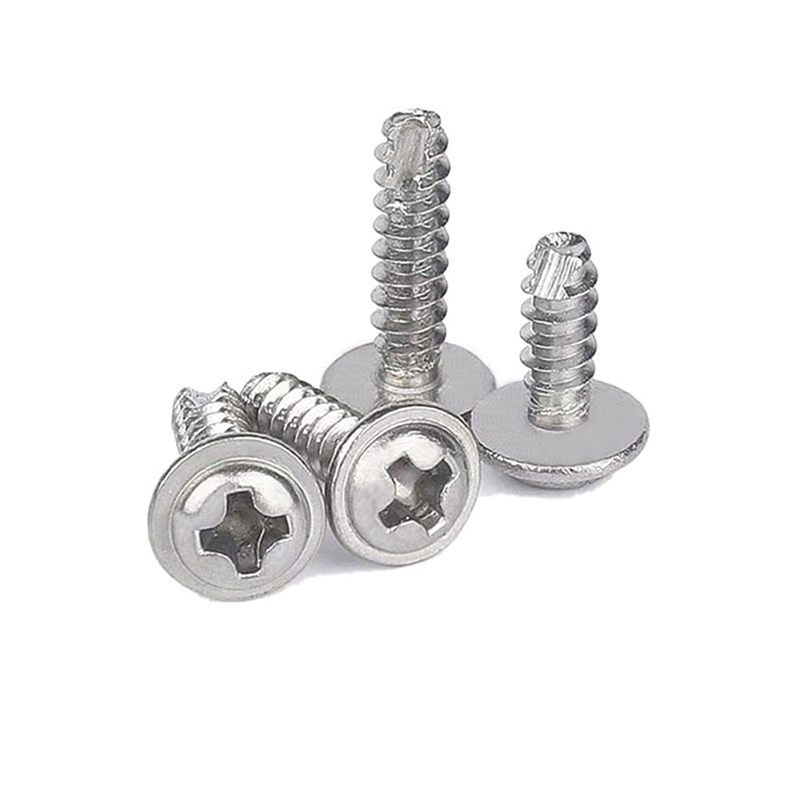
One of the biggest advantages of stainless steel self tapping screws is their superior resistance to rust and corrosion. Stainless steel fasteners can maintain stable performance in humid, outdoor, and chemically exposed environments.
This excellent corrosion resistance helps:
- Extend service life
- Reduce maintenance frequency
- Lower long-term replacement costs
- Improve product reliability
For industries that require durable fastening solutions, stainless steel screws are often the preferred choice.
2. Improved Mechanical Assembly Performance
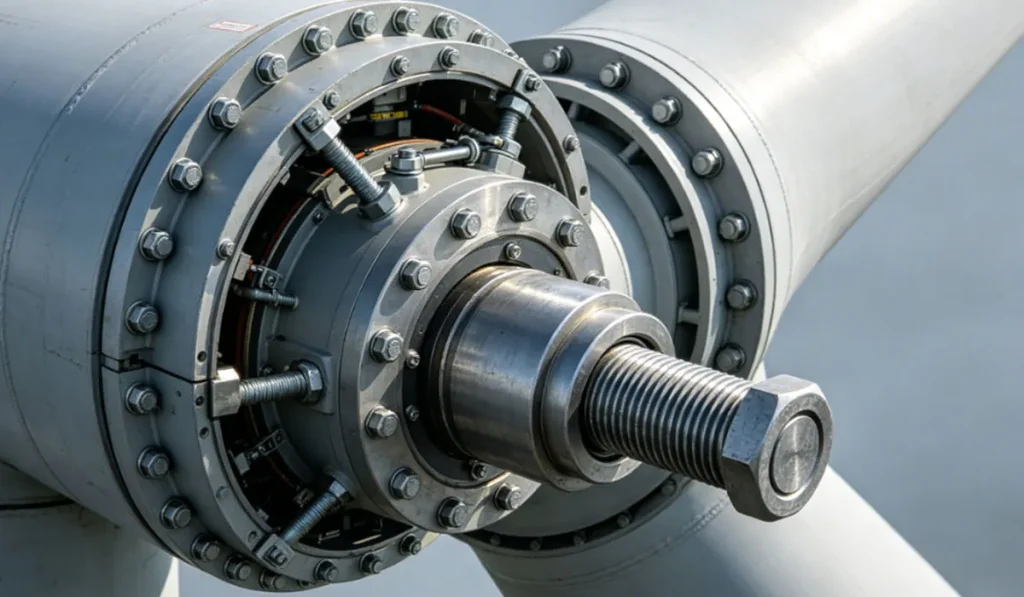
Stainless steel self tapping screws provide good performance in industrial assembly applications.
Key benefits include:
- Strong and secure fastening
- Excellent thread-forming capability
- Better vibration resistance
- Stable torque performance during installation
These features improve assembly efficiency while reducing the risk of loosening or structural failure in long-term use.
3. Suitable for Multiple Application Environments

Different grades of stainless steel self tapping screws can be used across a wide range of working conditions.
Indoor Applications
Suitable for:
- Electronics
- Home appliances
- Machinery assembly
- Office equipment
Outdoor Applications
Ideal for:
- Construction projects
- Metal structures
- Fencing systems
- Outdoor equipment
Marine Environments
Especially suitable for:
- Coastal installations
- Marine engineering
- Shipbuilding equipment
- Salt spray exposure areas
Chemical & Industrial Environments
Widely used in:
- Chemical processing plants
- Industrial automation systems
- High-humidity production areas
- Corrosive operating conditions
Because of their durability, strength, and environmental adaptability, stainless steel self tapping screws are widely used in OEM manufacturing and industrial fastening applications worldwide.
Key Parameters for Custom Stainless Steel Self Tapping Screws
For OEM manufacturers and industrial buyers, factors such as material grade, structural design, surface treatment, and mechanical performance directly affect assembly efficiency, product durability, and long-term operating costs.
1. Material Selection
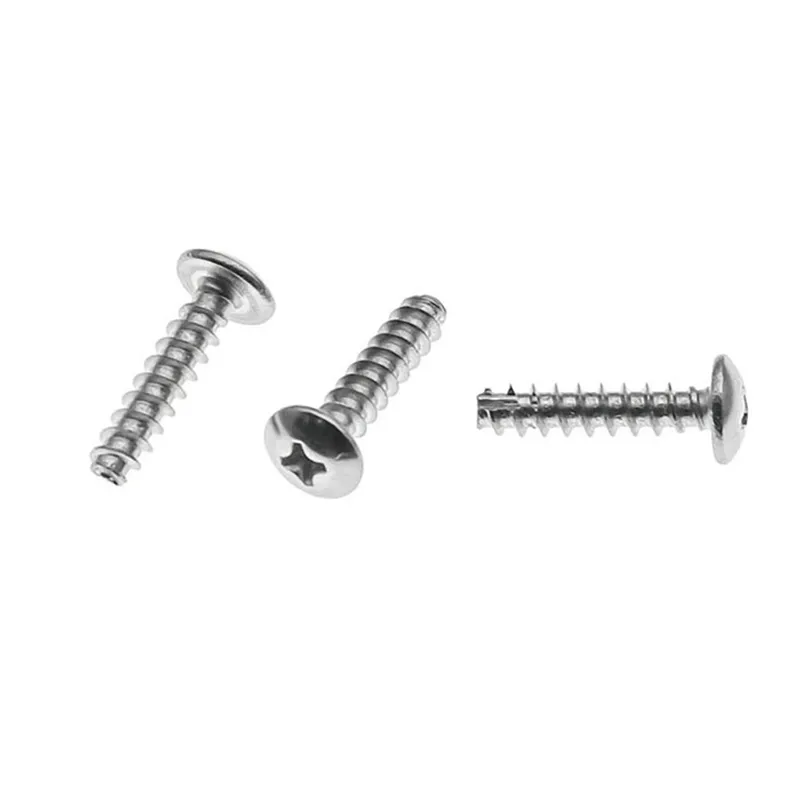
Material Comparison Table
| Material | Corrosion Resistance | Mechanical Strength | Cost Level | Typical Environment |
| 304 Stainless Steel | Good | High | Medium | Indoor / General Industrial |
| 316 Stainless Steel | Excellent | High | Higher | Marine / Chemical |
| 410 Stainless Steel | Moderate | Very High Hardness | Medium | High Wear Applications |
304 Stainless Steel
304 stainless steel is the most commonly used material for self tapping screws due to its balanced performance and cost-effectiveness.
Advantages:
- Good corrosion resistance in normal environments
- Stable mechanical properties
- Suitable for large-scale industrial production
- Lower material cost compared with 316
Typical Applications:
- Indoor equipment
- Electronics assembly
- General machinery
- Construction hardware
316 Stainless Steel
316 stainless steel contains molybdenum, which significantly improves corrosion resistance in harsh environments.
Advantages:
- Excellent resistance to salt spray and chemicals
- Better pitting resistance
- Longer service life in outdoor and marine environments
Typical Applications:
- Marine engineering
- Chemical processing equipment
- Outdoor construction projects
- High-humidity industrial areas
Special Stainless Steel Materials
Some industrial applications require customized stainless steel grades for specific performance requirements.
Examples include:
- 316L stainless steel for enhanced corrosion resistance
- 410 stainless steel for higher hardness and wear resistance
- Duplex stainless steel for high-strength structural applications
2. Screw Specifications & Structural Design
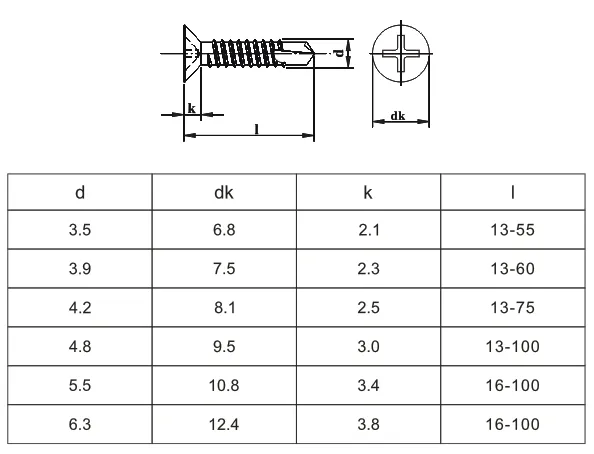
Length, Diameter, and Thread Pitch
The dimensions of a self tapping screw directly affect fastening performance and installation efficiency.
Length
The screw length should match the thickness of the material being fastened to ensure sufficient thread engagement without damaging internal components.
Diameter
Larger diameters generally provide:
- Higher load capacity
- Better vibration resistance
- Improved structural stability
Thread Pitch
Different thread designs are suitable for different materials:
- Fine threads → thin metal sheets
- Coarse threads → plastic and softer materials
Head Type Selection
Different head styles are designed for different installation methods and application requirements.
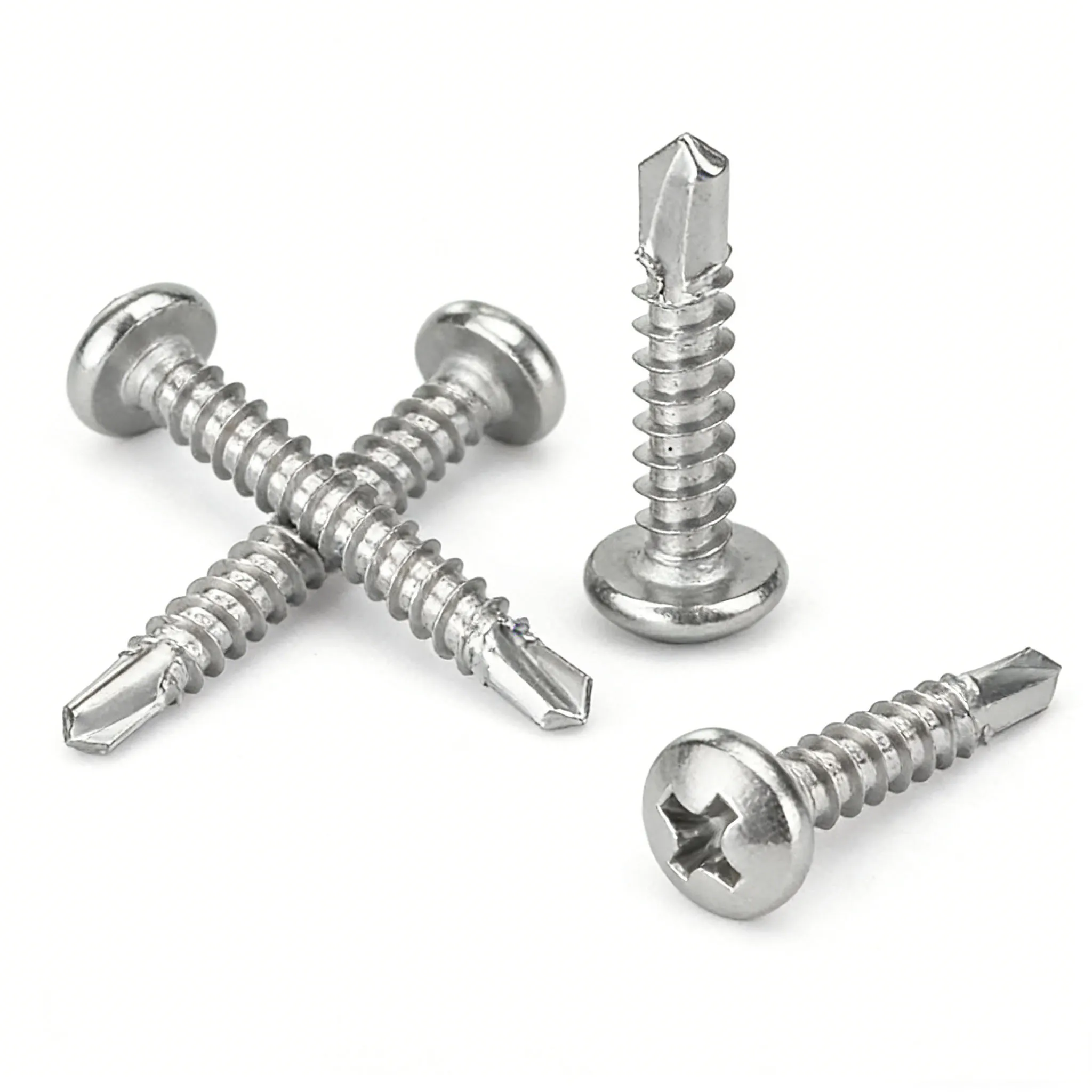
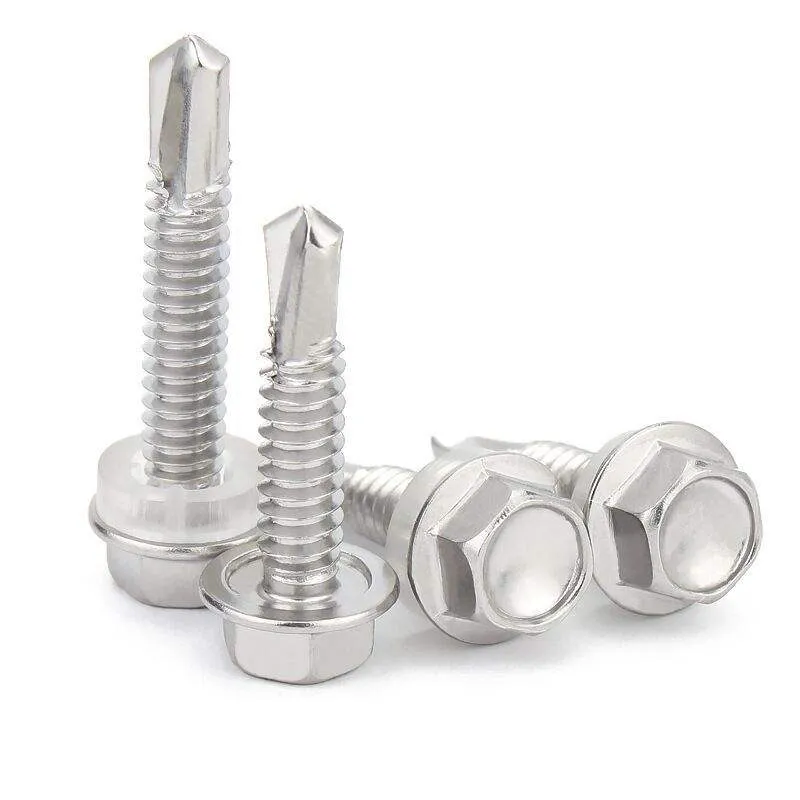
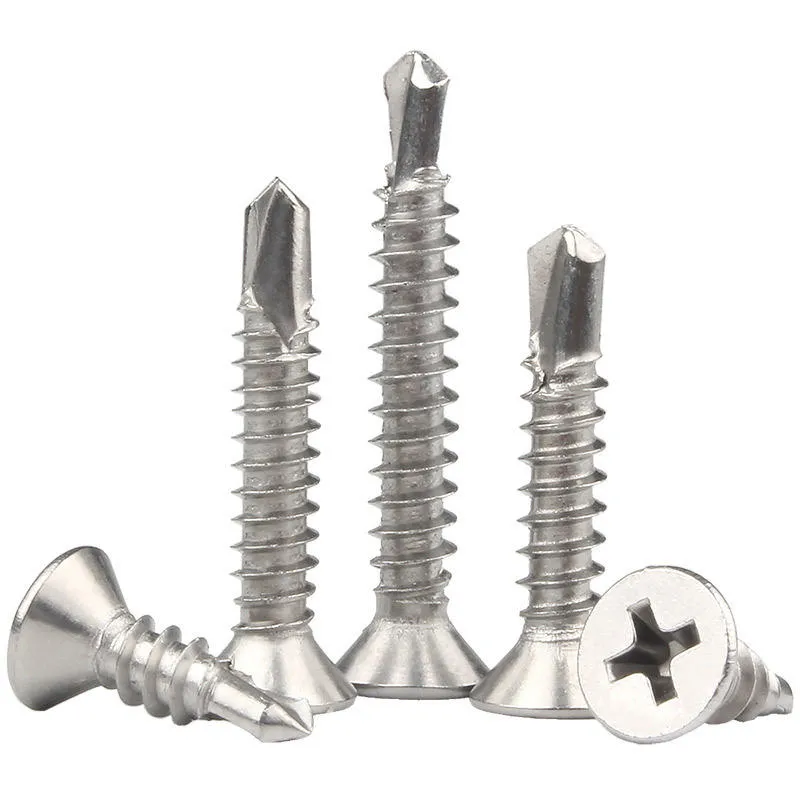
Common options include:
- Phillips head screws → general assembly applications
- Hex socket screws → high torque installation
- Countersunk head screws → flush surface finishing
- Pan head screws → larger contact area and stable fastening
Choosing the correct head design helps improve installation efficiency and assembly consistency.
Surface Treatment Options
Although stainless steel already provides corrosion resistance, additional surface treatments may further improve appearance and performance.
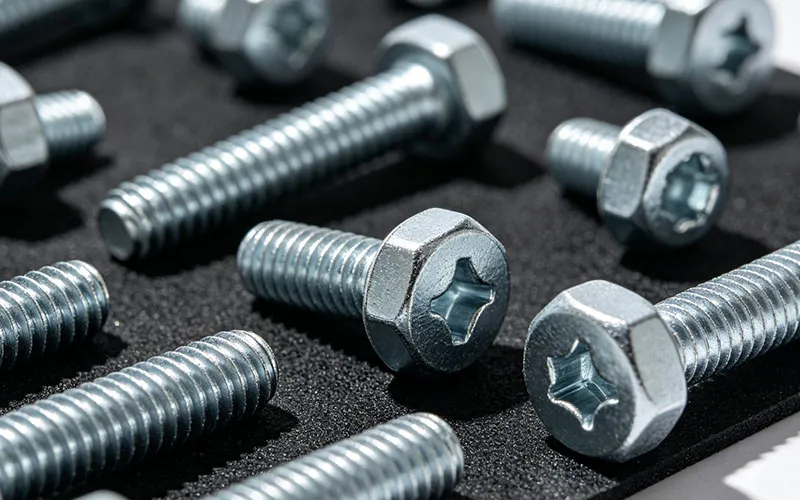
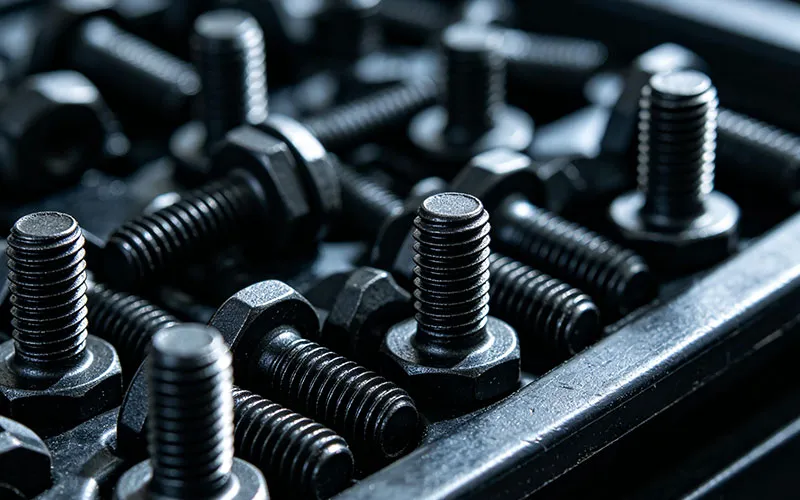

Common surface finishes include:
- Nickel plating
- Zinc coating
- Black oxide treatment
- Passivation treatment
These treatments can enhance:
- Wear resistance
- Surface hardness
- Appearance consistency
- Additional corrosion protection
How to Select the Right Specification
When choosing custom stainless steel self tapping screws, buyers should evaluate:
- Installation equipment compatibility
- Torque requirements
- Environmental exposure conditions
- Material thickness
- Automation assembly requirements
Correct specification selection can significantly improve production efficiency and reduce assembly failure rates.
3. Performance Indicators
Torque Capacity and Tensile Strength
Mechanical performance is critical for industrial fastening applications.
Important indicators include:
- Torque resistance during installation
- Tensile strength under load
- Vibration resistance
- Fatigue performance in long-term use
High-quality stainless steel self tapping screws provide stable fastening performance even in demanding operating conditions.
Corrosion Resistance Testing
Professional manufacturers usually perform corrosion testing to evaluate product durability.
Common testing methods include:
- Salt spray testing
- Humidity resistance testing
- Chemical corrosion testing
These tests help verify whether the screws can maintain stable performance in real application environments.
Service Life Evaluation
The service life of stainless steel self tapping screws depends on:
- Material grade
- Surface treatment
- Environmental exposure
- Installation quality
Choosing the correct material and specification can greatly extend product lifespan while reducing maintenance and replacement costs.
Advantages of Custom Stainless Steel Self Tapping Screws in Industrial Applications
Customized stainless steel self tapping screws are increasingly used in modern industrial manufacturing because they can be optimized for specific assembly processes, environmental conditions, and performance requirements.
1. Improved Efficiency in Automated Assembly Lines
In automated manufacturing systems, fastener consistency and installation efficiency are critical factors affecting production speed and assembly accuracy.
Custom stainless steel self tapping screws can be designed with:
- Optimized thread geometry for faster installation
- Precise dimensional tolerance for automated feeding systems
- Specialized head designs for robotic assembly equipment
- Stable torque performance to reduce installation error.
2. Reliable Performance in Harsh Industrial Environments
Different industries require fasteners capable of operating under demanding environmental conditions. Customized stainless steel self tapping screws provide enhanced durability and reliability in these applications.
Marine Industry Applications
In shipbuilding and offshore engineering, screws are continuously exposed to:
- Salt spray
- High humidity
- Temperature fluctuations
Customized 316 stainless steel self tapping screws are commonly used because they provide:
- Superior corrosion resistance
- Long-term structural stability
- Reduced risk of rust-related failure
Chemical Equipment Applications
Chemical processing facilities often involve:
- Acidic environments
- Corrosive gases
- High-moisture conditions
Custom screws with specialized stainless steel grades and protective surface treatments help maintain reliable fastening performance while reducing equipment maintenance frequency.
Electronics & Precision Equipment
In electronics manufacturing, custom self tapping screws are used to achieve:
- Precise fastening torque
- Stable electrical equipment assembly
- Compact structural design compatibility
Manufacturers often customize:
- Head types
- Screw lengths
- Fine thread structures
to improve assembly precision and product consistency.
3. Reduced Maintenance Costs and Improved Product Quality
One of the biggest advantages of customized screws is their ability to reduce long-term operational costs.
Custom stainless steel self tapping screws help:
- Minimize loosening and assembly failure
- Reduce rework during production
- Lower maintenance frequency
- Extend equipment service life
Because the screws are specifically designed for the application environment and assembly requirements, they improve the overall quality and reliability of the final product.
For OEM manufacturers and industrial buyers, this means:
- Higher production efficiency
- Better customer satisfaction
- Lower total lifecycle cost
- Improved brand reliability in the market
As industrial manufacturing continues to evolve toward automation and high-performance standards, customized stainless steel self tapping screws are becoming an increasingly important solution for modern fastening applications.
How to Choose a Reliable Custom Screw Supplier
Selecting a reliable supplier for stainless steel self tapping screws is essential for ensuring stable quality, efficient production, and long-term cost control.
Key points When Selecting a Manufacturer
- Manufacturing Capability & Qualifications: A reliable supplier should be able to support OEM/ODM customization, and ensure stable material sourcing with consistent production quality.
- Production Flexibility: A qualified supplier should support sample orders, small-batch production, and large-scale OEM manufacturing to meet different project stages.
- Quality Control & Certifications: A professional supplier should comply with ISO and RoHS standards while ensuring product reliability through dimensional, material, and corrosion testing.
- Delivery & Technical Support: A dependable supplier should provide stable delivery, professional selection guidance, and application-based customization support.
Why Choose HY Fastener
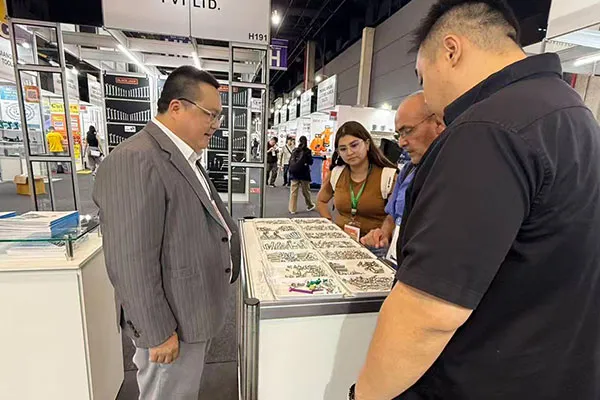
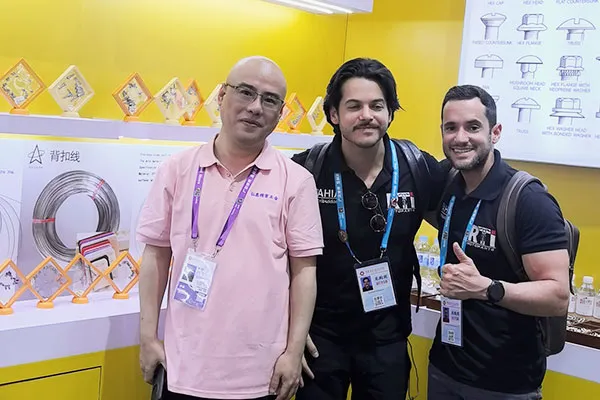
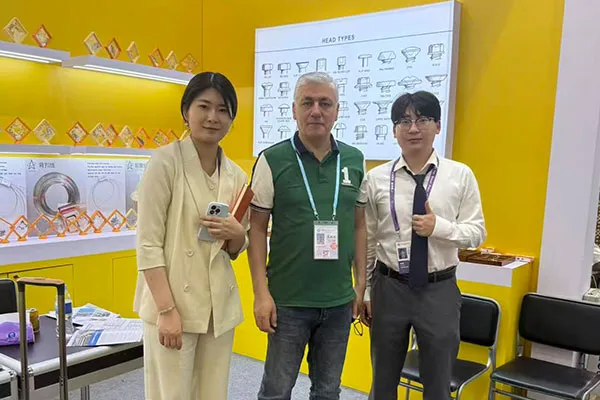
As a professional fastener manufacturer, Hongyuan Fastener provides customized stainless steel self tapping screw solutions for global OEM and industrial.
1. Custom Manufacturing Capability
- Stainless steel (304, 316, etc.) customization
- Multiple head types and thread designs
- OEM/ODM and non-standard screw production
2. Flexible Order Support
- Sample development and trial orders
- Small-batch production
- Large-scale industrial manufacturing
3. Quality Assurance System
- Strict material and dimensional inspection
- Surface treatment control
- Corrosion resistance and performance testing
4. Engineering Support
- Application-based screw selection guidance
- Optimization based on environment and assembly needs
- Technical support for industrial projects
Custom Procurement Process
| Stage | Key Content | Purpose |
| Requirement Analysis | Environment, load, material (304/316), quantity | Ensure correct product selection |
| Sample Confirmation & Testing | Sample evaluation, installation test, compatibility check | Verify performance before mass production |
| Mass Production & Delivery | Stable production, quality control, on-time delivery | Ensure consistent batch quality |
| Long-Term Cooperation | Stable supply, better pricing, continuous support | Improve procurement efficiency |
Conclusion
Selecting the right stainless steel self tapping screws is a systematic process. A clear selection logic can be summarized as:
material → specification → surface treatment → performance requirement
This allows engineers and buyers to quickly narrow down the most suitable solution for their project.
If you are looking for a reliable and customized fastening solution, contact us now to get professional recommendations, technical support, and a competitive quotation tailored to your project requirements.






