English
  Arabic
  Dutch
Dutch  French
  German
  Italian
  Portuguese
  Russian
  Spanish
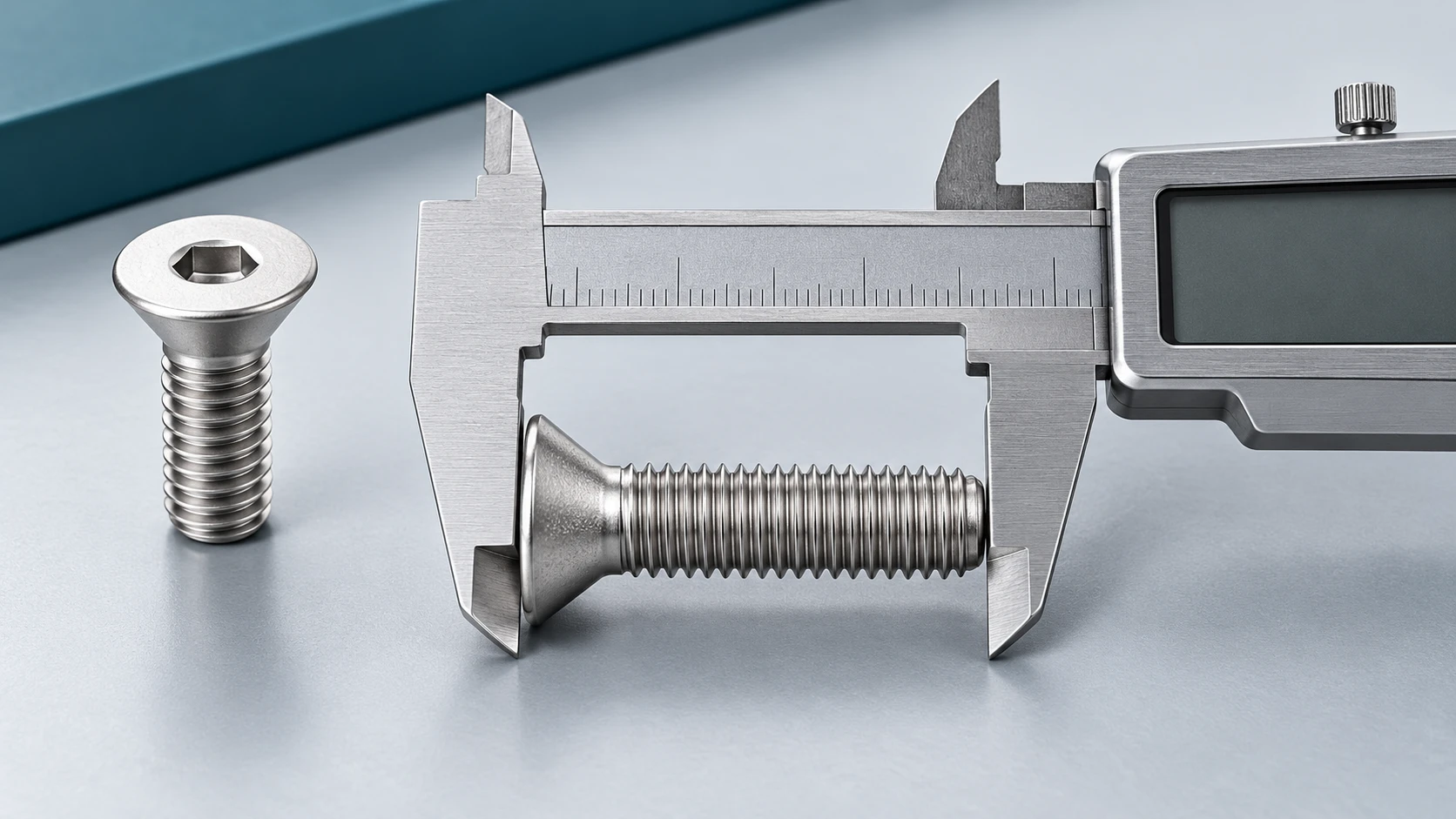
 A supplier receives a request for a “socket screw,” but the production drawing shows a low-profile head and the assembly tool is sized for a different socket. The thread may match while the part still cannot be installed. This is why a complete screw description separates the head geometry, drive system and driver size.
The guide below helps OEM buyers identify those choices, assess substitutions and write a specification that purchasing, tooling and inspection teams can use.
1. Look at the side for the head, and the top for the drive
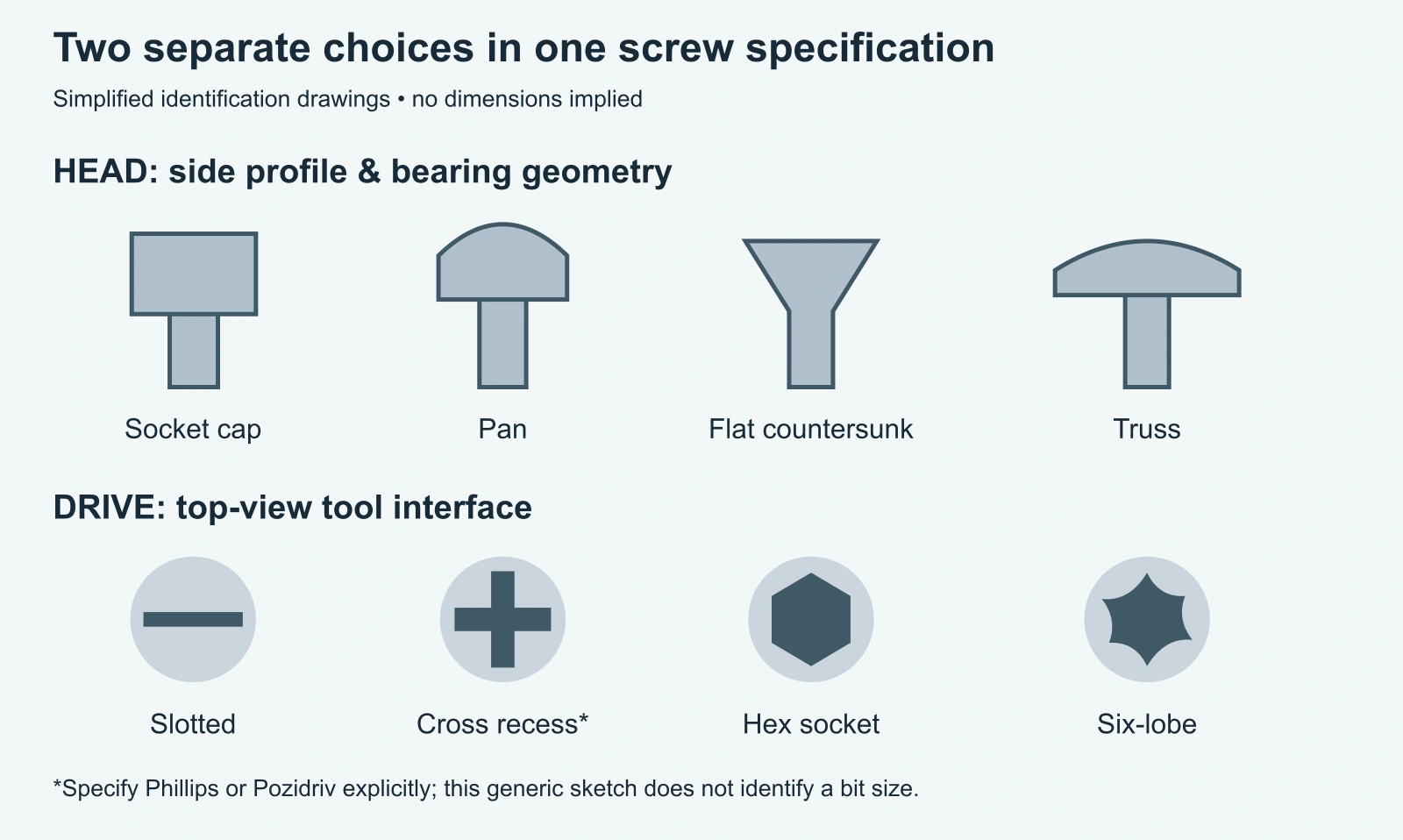
Start with two photographs when identifying a sample. A side view reveals the head’s height, profile and seating surface. A top view reveals the recess or external tool interface. Include scale or a drawing for dimensions; perspective photographs cannot reliably determine a countersink angle or socket size.
2. Match the head geometry to the joint
| Head form | Useful selection question | Specification to check |
|---|---|---|
| Pan | Is a raised bearing head acceptable? | Head diameter, height and access above the joint. |
| Socket cap | Is there room for the cylindrical head and axial tool access? | Head envelope; counterbore dimensions if recessed. |
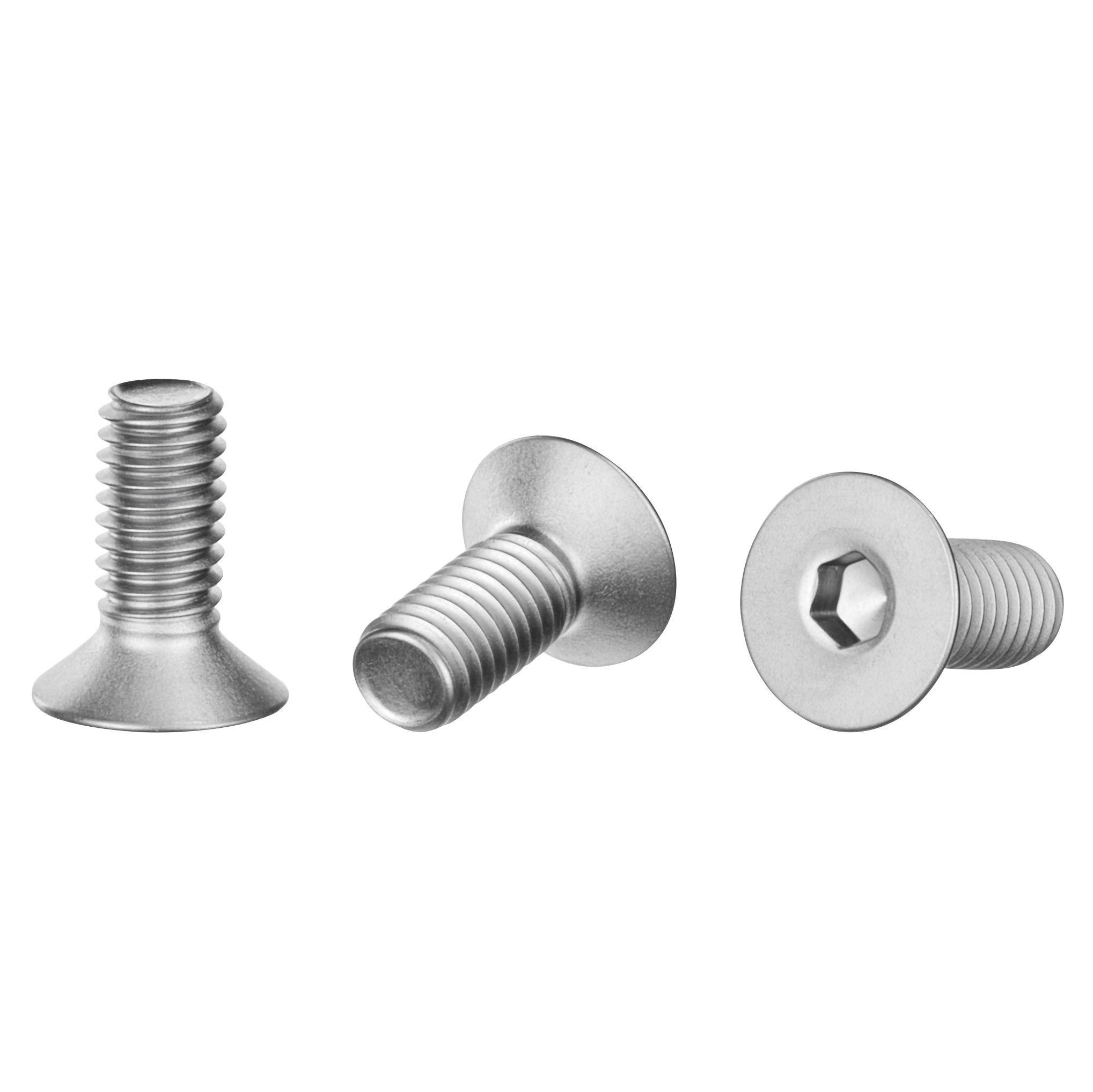
| Flat countersunk | Does the assembly require a flush seating arrangement? | Countersink angle, head diameter and mating seat. |
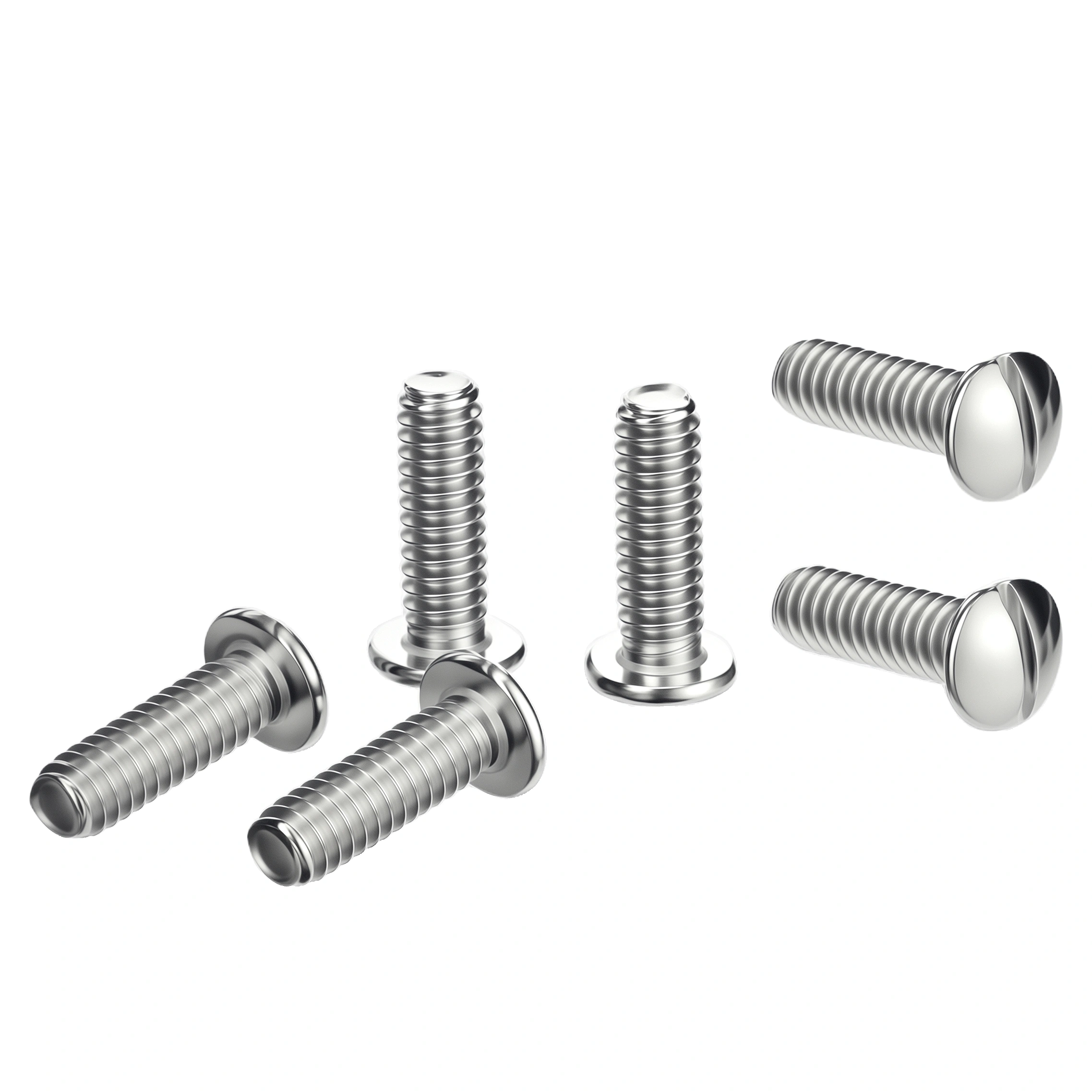
| Raised countersunk / oval | Can a dome remain above the countersunk seat? | Raised height and seating geometry. |
| Truss | Is a wider, relatively low head suitable for the bearing surface? | Head diameter, local contact and assembly clearance. |
| Hex head | Can an external socket or wrench reach the head? | Across-flats size, head height and radial tool space. |
A socket cap head can be recessed in a suitable counterbore; that does not make it a countersunk screw. A flat countersunk head seats on an angled surface. Substituting one for the other requires a mating-geometry review, even if the thread and nominal length appear identical.
3. Choose the drive system and its actual tool size
| Drive | Identification / tool | Practical check |
|---|---|---|
| Slotted | One straight slot; suitable flat blade | Blade width and thickness, access and risk of slipping. |
| Phillips | Cross recess; matched PH driver | Specify the Phillips system and the required driver size. |
| Pozidriv | Cross recess with additional identifying features; PZ driver | Do not assume a Phillips bit is equivalent. |
| Hex socket | Internal hexagonal recess; hex key or bit | Specified socket size, recess depth and engagement. |
| Six-lobe / hexalobular | Six-lobed internal interface; matching bit | System designation and bit size; special variants separately. |
| External hex | External hexagon; wrench or socket | Across-flats dimension and socket access. |
Accu’s Phillips/Pozidriv comparison explains why similar-looking cross recesses should not be treated as the same tool system. NBK’s hexalobular reference provides the technical identification context for six-lobe features. Tool selection must also account for the actual screw specification and installation process.
4. Check tool access before choosing a preferred drive
A drive that works on the bench may be inaccessible in the assembled product. A deep recess above the head may prevent the bit holder from approaching. A neighboring wall can block a wrench around an external hex head. An angled approach may reduce proper bit engagement.
Review the installed condition, including the tool body, extensions and fixturing. Specify the screw’s installation torque through the engineering process for the actual material, finish and joint. A drive shape alone does not establish a safe torque, clamp load, corrosion resistance or guaranteed resistance to loosening.
| Assembly condition | Start the review with | Then verify |
|---|---|---|
| Flush exterior surface | Flat countersunk head and compatible seat | Angle, plate thickness and acceptable seating position. |
| Little height above the part | Low-profile head options | Tool engagement, head strength requirements and surrounding clearance. |
| Recessed screw position | Axial-access drive options | Bit reach, head recess and tool holder diameter. |
| Side access available | External hex may be considered | Wrench swing or socket clearance. |
| Automated installation | Drive compatibility with the actual feeder and tool | Part orientation, feeding behavior and process validation. |
5. Review substitutions as an assembly change
Before replacing one screw with another, compare more than thread diameter. A taller head can strike a cover. A different bearing diameter changes contact with a washer or plate. A change from raised to countersunk head changes the length reference and the mating seat. A different drive can require new tooling or alter the inspection method.
- Compare head diameter, height, underside shape and mating-seat dimensions.
- Recheck length definition, thread pitch, threaded length and point form.
- Compare material, mechanical requirements and coating; a visual match is insufficient.
- Check the specified driver system, size and approach space.
- Approve a sample in the intended joint before changing the production reference.
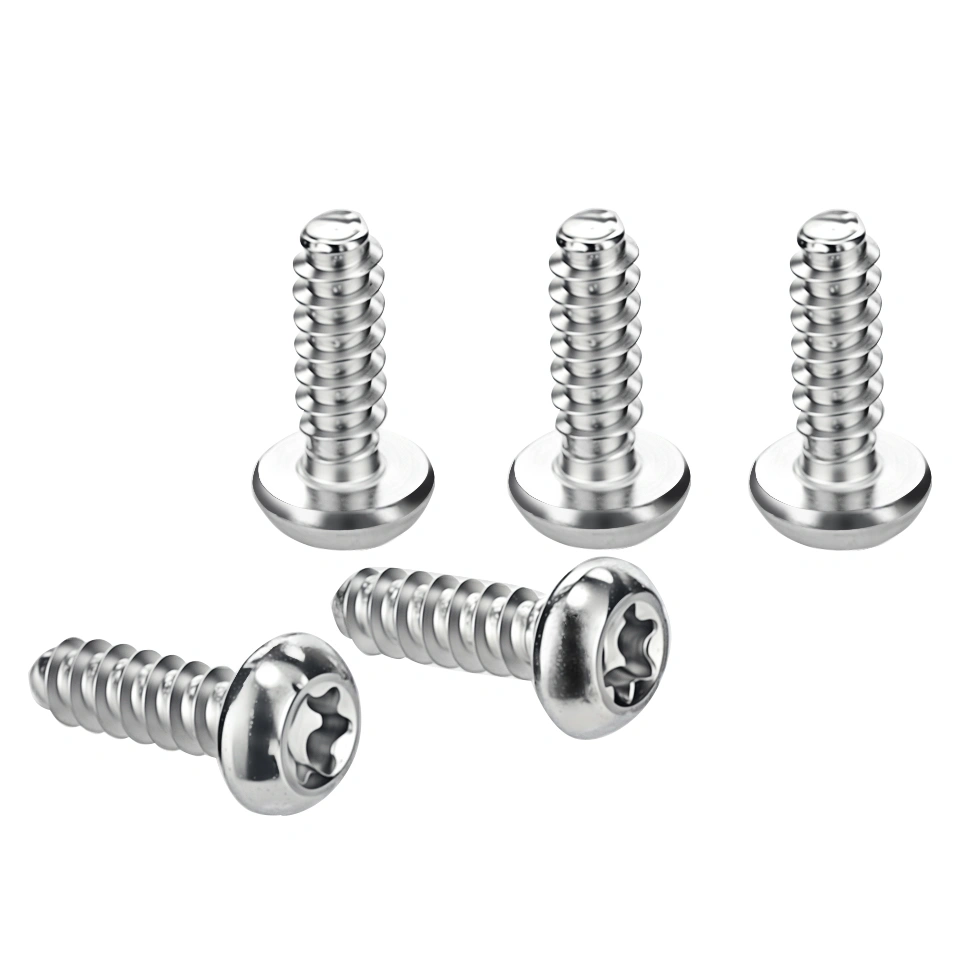
6. Put head, drive and thread into the same RFQ
Illustrative RFQ wording: “Pan-head machine screw, six-lobe drive with bit size specified on the drawing, M4 × 0.7, 20 mm below-head nominal length; material, finish, head dimensions and acceptance limits per drawing revision B.” This example is a writing template, not a stock item or a recommendation for a particular assembly.
For a special screw, attach the drawing and mark the features that matter to installation: head envelope, recess size and depth, bearing face, threaded length, tip and any washer arrangement. State the application and order quantity separately. That gives the supplier enough information to review manufacturability without guessing from a short product name.
Frequently asked questions
Is a socket head the same thing as a hex-socket drive?
No. Socket-head cap screw is a product form, while hex socket describes the internal drive. Other head forms can also have an internal hex socket.
Can I choose a bit size from the thread diameter?
Do not rely on diameter alone. Use the drive designation and the required size from the product standard or drawing, then confirm proper engagement with the actual part.
Are Phillips and Pozidriv interchangeable?
Specify and use the matching system. Similar appearance does not ensure correct engagement, and an ill-fitting bit can damage the recess.
Which screw head is best for OEM production?
The suitable choice depends on the seat, available space, tool access and joint requirements. There is no head shape that is best for every application.
Technical references
General guidance below is supported by these published references. The product drawing and order requirements govern the actual part.