
 English
  Arabic
  Dutch
Dutch  French
  German
  Italian
  Portuguese
  Russian
  Spanish
 A threaded rod is often ordered as a diameter and a length. On the assembly bench, the questions are more practical: Will the nut start cleanly? Is there enough usable thread after the washers and brackets are fitted? Will the rod reach the required position without bottoming in a blind hole?
For OEM equipment, a cut-to-length threaded rod is most useful when it arrives ready for the intended joint. That means choosing the thread layout, defining how length is measured and specifying the condition of the ends. These small details can reduce avoidable cutting, sorting and rework during assembly.
Start with Hongyuan’s threaded rod product range, then use the points below to define the length, thread layout and end condition required by your assembly.
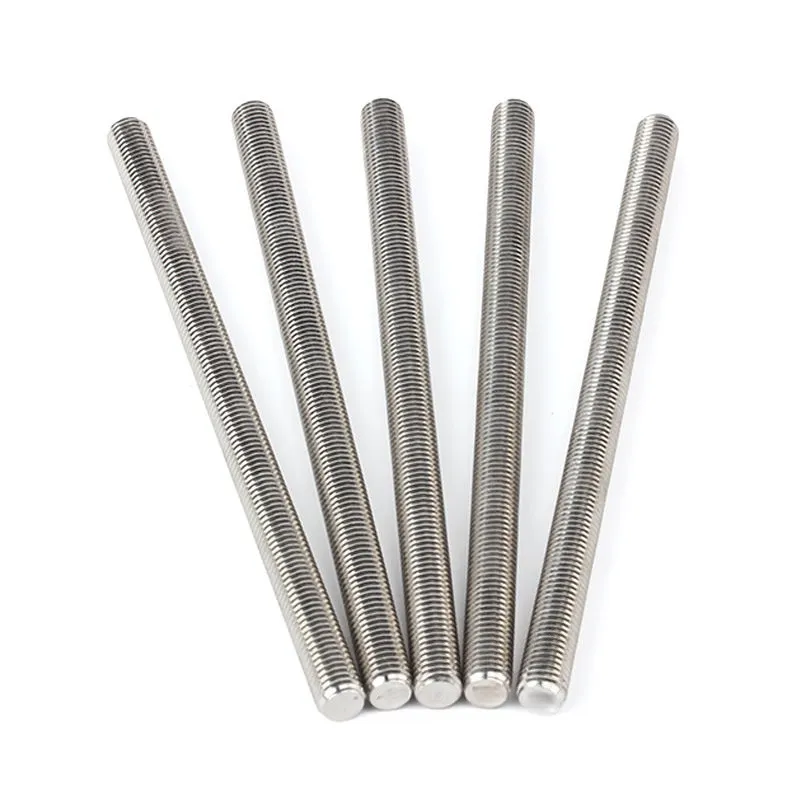
Not every headless connector needs thread everywhere
Full-length external thread offers flexibility when nuts must be positioned at different points. It can suit an adjustable connection or a joint whose clamping position varies. However, a threaded surface is not the same as a smooth locating or bearing surface.
Where part of the connector has to pass through a close-fitting component, provide a stop or offer drive access, a custom stud layout may be more useful. A smooth section, collar or dedicated installation feature should have a defined purpose; adding them simply because they appear on an existing sample can make the part unnecessarily complicated.
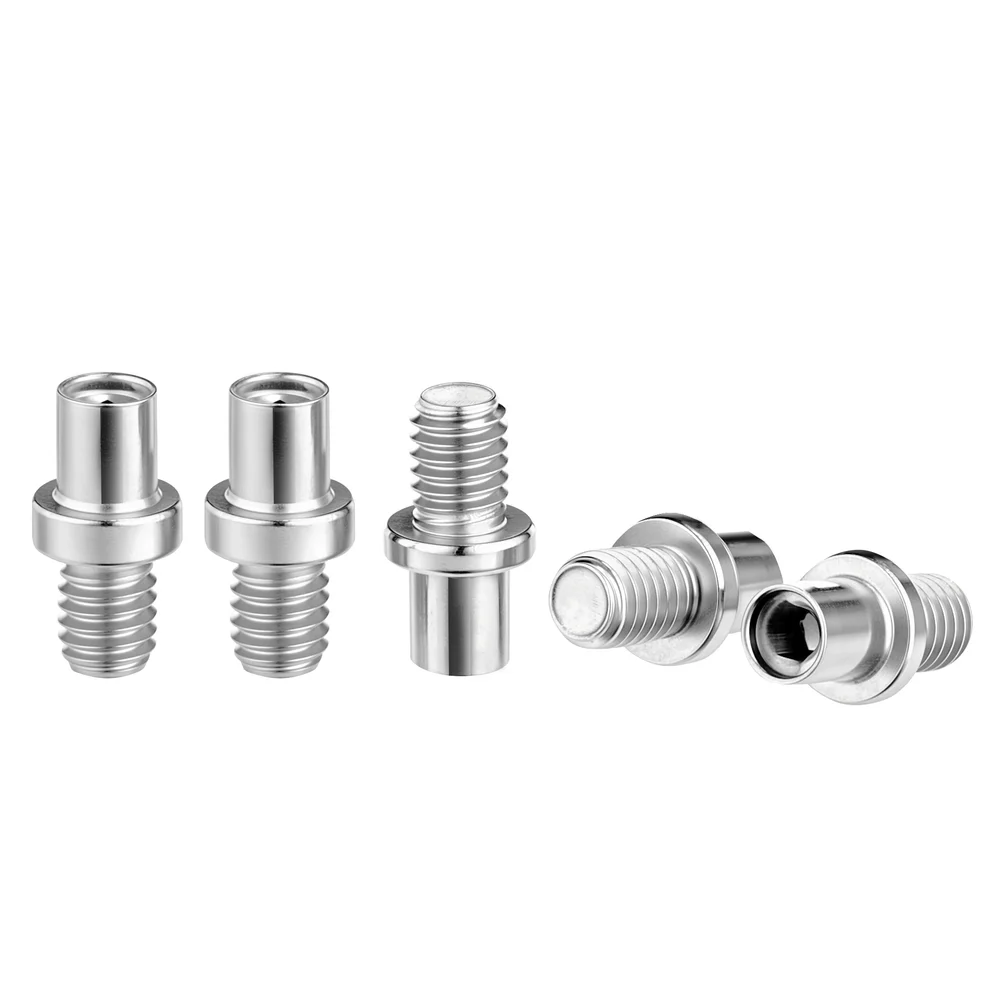
The useful comparison is therefore functional: do you need adjustment along the rod, or a fixed geometry that locates the surrounding parts? Establish that first, then choose the drawing details.
Sizing Cut-to-Length Threaded Rods from the Joint Outward
For a through-connection with nuts, start with the thickness of the components being joined. Add the washers and nut heights, then allow for the specified end projection. If the joint must move or adjust, include the required adjustment range. Review the shortest and longest permitted assembly stacks, not only the nominal dimensions.
This is a geometric check, not a calculation of load capacity. Thread engagement and the strength of the rod, nuts and connected components still require engineering review for the application.
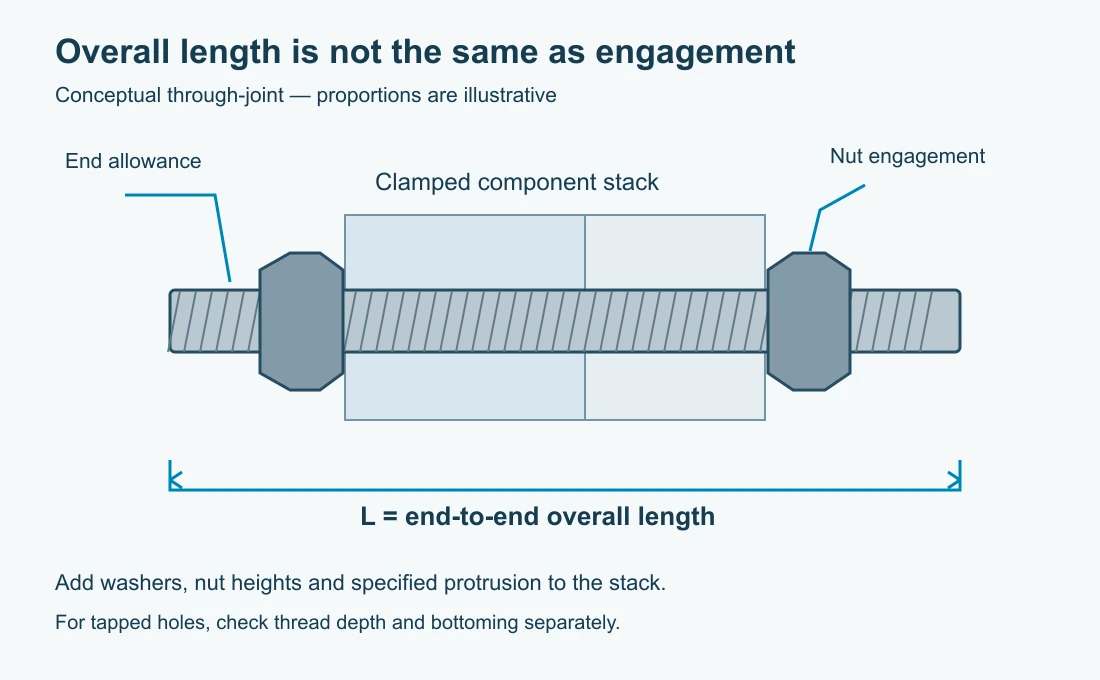
Threaded Rod Overall Length versus Usable Thread
State whether the length on the drawing means end-to-end length or a length defined by full-form threads. Chamfers and incomplete end threads can occupy space without providing the same engagement as complete threads. Two rods with the same end-to-end measurement can therefore offer different usable thread lengths at their ends.
A blind tapped hole changes the check
Do not use the drilled depth as though it were all usable thread. The hole entrance, thread runout and bottom geometry can limit engagement. Check the effective threaded depth and clearance to the bottom together. A rod that bottoms out can feel tight before the intended joint is properly seated.
There is no universal “extra few millimetres” that solves every assembly. Put the intended engagement and clearance on the design review so the purchased length follows the joint, rather than leaving the installer to guess.
The end of the rod is the start of the assembly
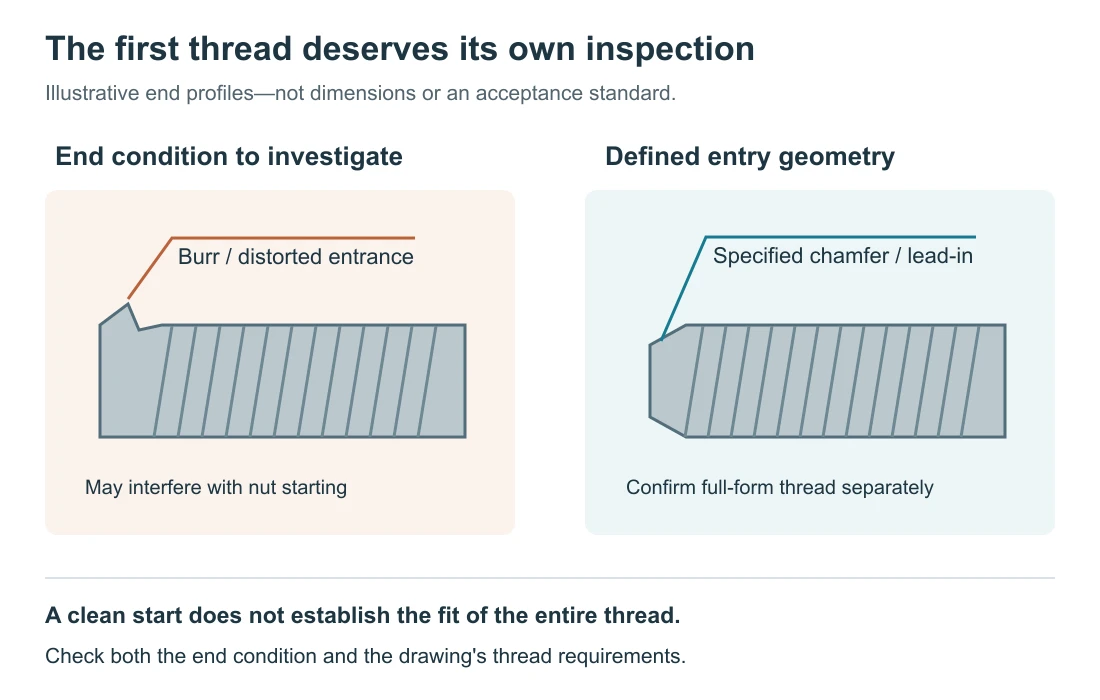
A cut may leave a burr or a distorted first thread. Even when the main thread is acceptable, a damaged entrance can make the nut difficult to start. For ready-to-assemble supply, describe the end treatment and the acceptable starting condition instead of asking only for a rod cut to size.
A chamfer can help the mating nut enter the thread, but it also changes the end geometry. The requirement should balance clean entry with the needed usable thread length. “Deburred” and “chamfered to a defined drawing requirement” should not be assumed to mean the same thing.
Protection after finishing also matters. Rod ends can contact one another during handling. Packaging should keep the delivered condition suitable for use, particularly where the first threads are exposed or the surface finish is important.
Three shop-floor symptoms worth preventing
| What the assembler notices | What to clarify before ordering | Why it matters |
|---|---|---|
| The nut will not start smoothly | Thread designation, end damage, burr condition and the final surface finish | A starting problem is not always a problem with the entire thread |
| The rod fits, but too little usable thread remains | Full component stack, washers, nut heights, end projection and incomplete end threads | Overall length alone does not show how much thread is available to engage |
| The rod stops before the joint seats | Effective tapped depth, bottom clearance, runout and any collar or shoulder contact | The first contact may be at the wrong surface |
Use these observations to focus an assembly trial. An isolated length check will not reveal every nut-starting or seating issue; conversely, one successful assembly does not replace the specified dimensional and thread acceptance requirements.
Match the thread system—not just the outside diameter
Metric and inch threads can look similar in a photograph. State the complete thread designation, including pitch or threads per inch and the applicable tolerance or fit class. Match it to the nut or tapped component rather than identifying a rod by approximate outside diameter alone.
The mating nut belongs in the same specification. Its internal thread must match the rod’s thread system and the required fit. If the nut is bought separately, communicate the same complete designation to both suppliers; a similar appearance is not a compatibility check.
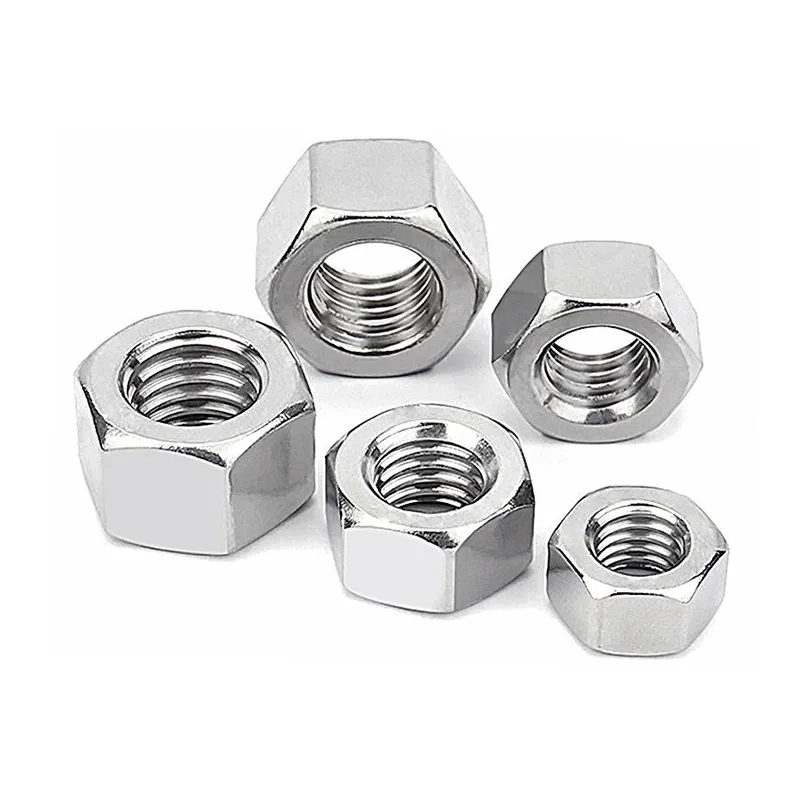
Surface treatment belongs in this specification. Coatings affect the final thread interface, so acceptance should address the delivered condition and compatible mating components. A nut-starting check is useful for assembly feedback, but it is not a substitute for the thread inspection method required by the drawing.
Material and strength requirements must likewise come from the duty of the joint. A similar-looking rod is not automatically an interchangeable structural part. Avoid using a catalog photograph to infer a material grade, load rating or suitability for a safety-critical connection.
Make a small order useful beyond the first assembly
A limited initial quantity gives a team an opportunity to check installation access, usable adjustment and handling before committing to the production configuration. The valuable outcome is not simply “the rod went in.” It is a clear decision about the length convention, thread system and end condition that should be repeated on later orders.
For buyers currently cutting stock rods in-house, ready-to-length supply can move those repeat operations into the component specification. Whether it is the better option depends on the geometry, quantity and finishing requirements; it should not rely on an assumed minimum order or a blanket delivery promise.
Discuss the required connection with the Hongyuan team. A section view showing the mating parts is especially helpful: it turns a nominal rod length into a clearly defined assembly requirement.






