
 English
  Arabic
  Dutch
Dutch  French
  German
  Italian
  Portuguese
  Russian
  Spanish
 When discussing fastener strength, three terms are often mentioned: tensile strength, yield strength, and proof load. These three values are commonly used to describe the mechanical performance of screws, bolts, and other fasteners.
But what do they actually mean? What is the difference between tensile strength, yield strength, and proof load? More importantly, how can these three indicators be used to evaluate fastener strength and determine whether a fastener is suitable for a specific application?
Understanding these basic strength limits can help OEM buyers, engineers, and procurement teams make more informed decisions when selecting a high strength fastener.
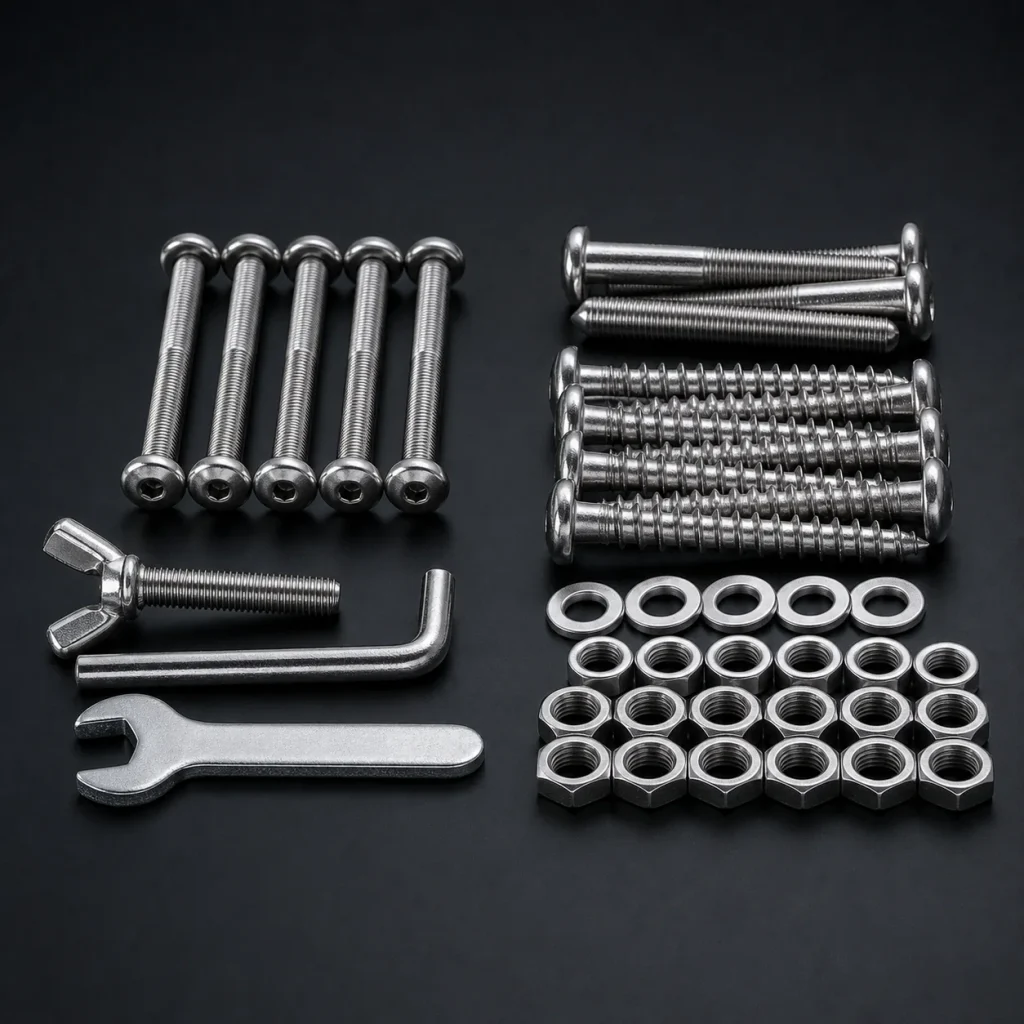
Tensile Strength vs. Yield Strength vs. Proof Load
Although these three indicators are all used to evaluate fastener strength, they describe different aspects of fastener performance. The following table provides a quick comparison:
| Strength Indicator | Definition | Main Purpose |
| Tensile Strength | Maximum load or stress a fastener can withstand before failure | Evaluate ultimate strength |
| Yield Strength | Point at which permanent deformation begins | Determine the safe working range |
| Proof Load | Verification load that a fastener can withstand without unacceptable permanent deformation | Verify product reliability and consistency |
What Is Tensile Strength?
Tensile strength is the maximum tensile stress a fastener can withstand before it breaks.
The tensile strength of a fastener can be affected by several factors, including:
- Material strength – Different materials have different mechanical properties.
- Heat treatment – Proper heat treatment can improve the strength and hardness of the fastener.
- Fastener dimensions – Diameter, thread size, and effective stress area can affect the load a fastener can withstand.
For buyers and engineers, tensile strength is mainly used to evaluate:
- Maximum load-bearing capacity
- Safety margin for the application
- Suitability for high-load applications
However, tensile strength represents the point close to ultimate failure. It should not be treated as the normal working load of a fastener. When selecting a high strength fastener, yield strength and proof load should also be considered.
What Is Yield Strength?
Yield strength is the stress at which a fastener begins to undergo permanent deformation. Below this point, the fastener can generally return to its original shape after the load is removed. Once the yield strength is exceeded, permanent deformation may occur.
For a bolt or screw, this can lead to:
- Fastener stretching or deformation
- Loss of preload
- Reduced connection reliability
In practical applications, yield strength helps engineers and buyers answer an important question:
Can the fastener withstand the expected working load without permanently changing its shape?
This makes yield strength an important part of evaluating fastener strength, especially when selecting a high strength fastener for applications involving continuous or heavy loads.
What Is Proof Load?
Proof load is the specified load that a fastener should withstand without developing unacceptable permanent deformation. Unlike tensile strength, which represents the point of ultimate failure, proof load is mainly used as a performance and quality verification value.
For fastener manufacturers, proof load testing can help verify:
- Batch-to-batch consistency
- Strength consistency
- Reliable performance under the specified load
For buyers, proof load provides a practical reference when evaluating fastener strength. It helps confirm that a batch of fasteners can meet the required mechanical performance before they are used in production.
What Determines Fastener Strength?
Several factors can affect the final strength of a screw or bolt.
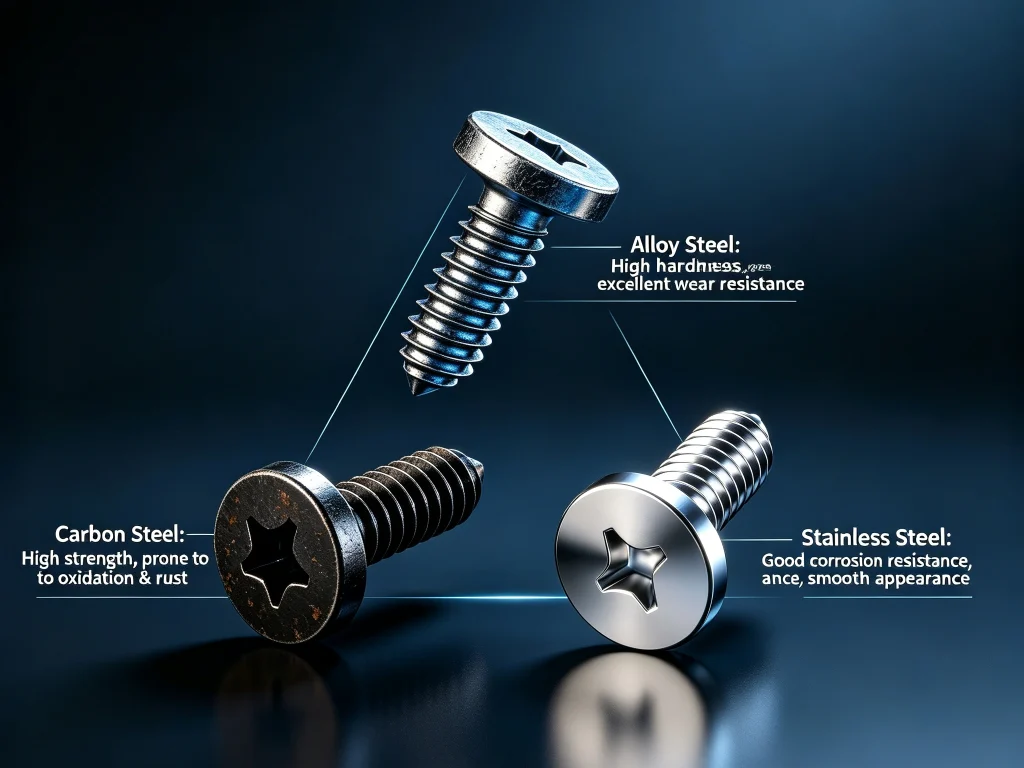
Material
Carbon steel, alloy steel, stainless steel, and other materials have different mechanical properties. High-strength applications may require specific alloy compositions and controlled material conditions.
Fastener Grade
Fastener grades defined by standards such as ISO, DIN, ASTM, GB, or JIS specify different mechanical performance requirements. Buyers should always confirm the required standard and grade before ordering.
Heat Treatment
For many high-strength fasteners, heat treatment plays an important role in achieving the required hardness and mechanical properties. Proper control of the process helps maintain strength consistency between production batches.
Dimensions and Thread Design
Diameter, thread size, and effective stress area also affect the load that a fastener can withstand. A change in dimensions can therefore affect the actual performance of the connection.
Manufacturing Quality
Cold heading, thread rolling, machining, heat treatment, and final inspection all contribute to dimensional accuracy and mechanical consistency.
How to Choose a High Strength Fastener?
When selecting a high strength fastener, buyers should start with the actual application rather than simply choosing the highest available grade.
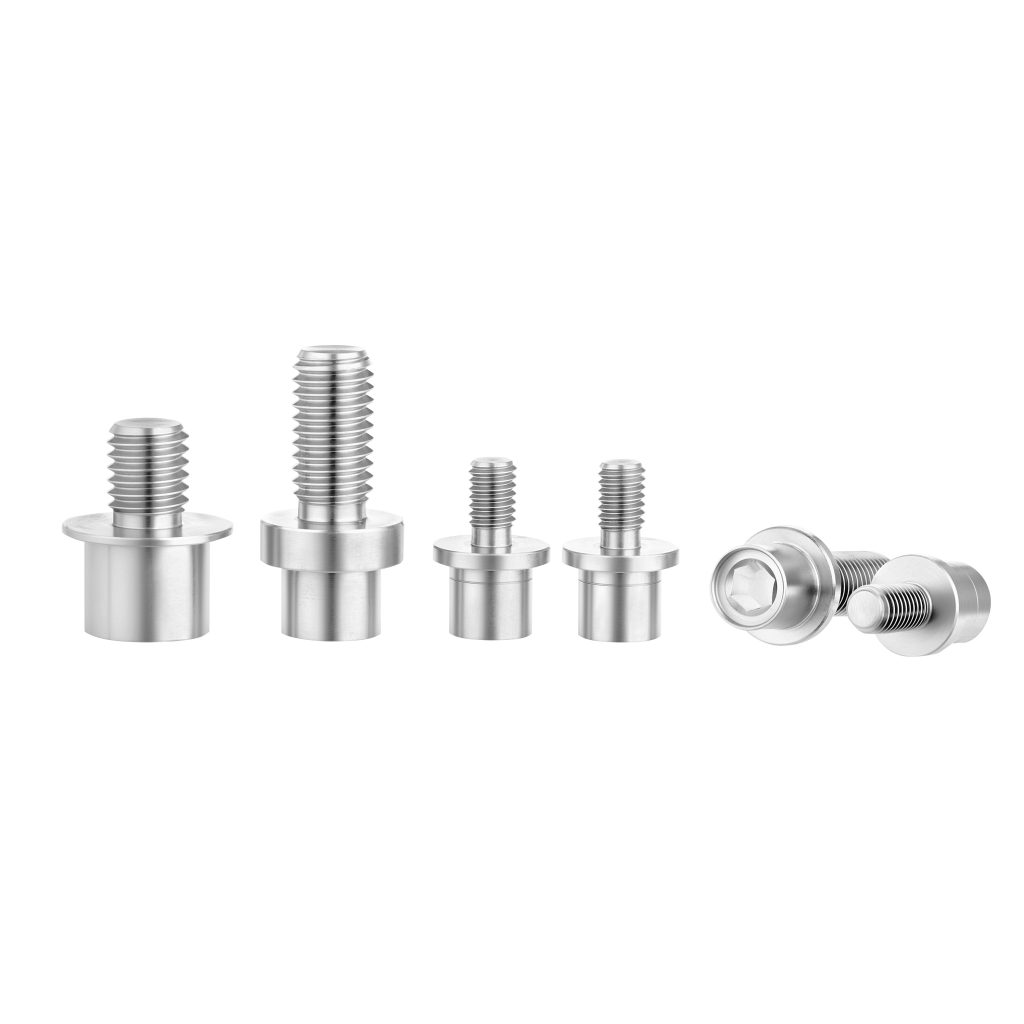
Shoulder Screw
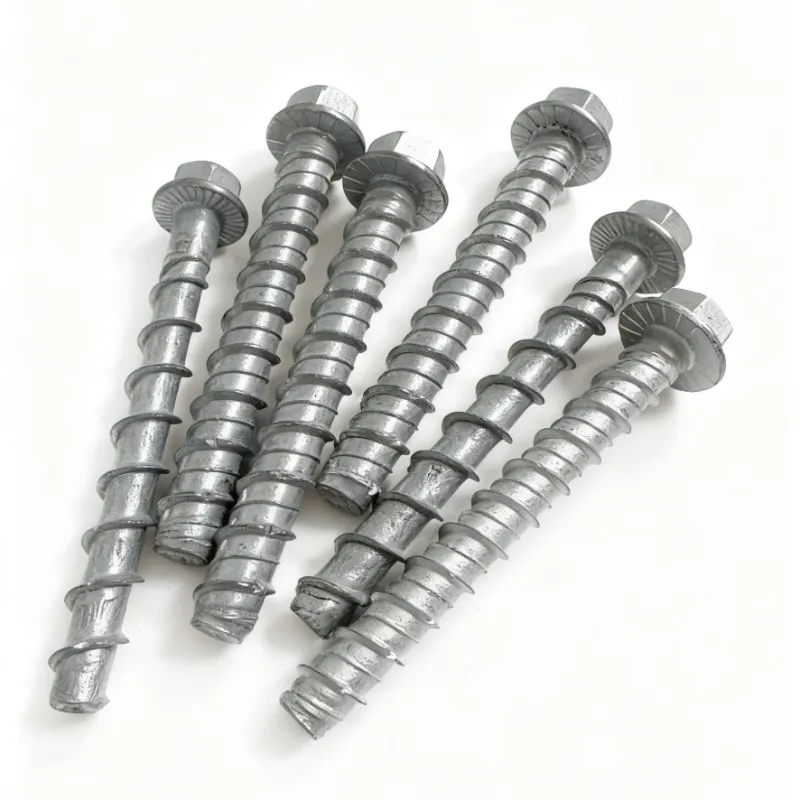
Consider:
- Working load – tensile, shear, static, or dynamic loads
- Material requirements – carbon steel, alloy steel, stainless steel, or other materials
- Strength grade – according to the applicable ISO, DIN, ASTM, GB, or JIS standard
- Operating environment – temperature, moisture, corrosion, and vibration
- Testing requirements – tensile, hardness, proof load, and dimensional inspection
- Product specifications – diameter, thread, head design, and surface treatment
For OEM projects, the manufacturer’s ability to produce according to drawings and specific mechanical requirements is equally important.
Get a Professional Solution
Understanding tensile strength, yield strength, and proof load gives buyers a clearer way to evaluate fastener strength.
For a high strength fastener, these properties should be considered together with material, grade, dimensions, heat treatment, operating conditions, and testing requirements. Choosing a manufacturer with controlled production and inspection processes can help ensure that the finished fasteners meet the required mechanical and dimensional specifications.
Looking for high strength fasteners made to your specifications? Contact Hongyuan Fastener to discuss your material, strength grade, dimensions, testing requirements, or OEM drawings.






