
 English
  Arabic
  Dutch
Dutch  French
  German
  Italian
  Portuguese
  Russian
  Spanish
 Familiarizing yourself with the different types of bolts is an essential step before using them, regardless of the industry, bolts are indispensable components, yet improper use can often compromise project quality. To ensure quality and streamline the selection process, why not take the time to gain a detailed understanding of the various bolt types before putting them to use?
Our article provides a detailed overview of the characteristics and materials of various bolts, as well as guidance on how to choose the right one for your needs.
Before learning about bolt types, we first need to understand what a bolt is.
What Are Bolts?
Bolts are mechanical fasteners commonly used with nuts to join two or more components together. Typically consisting of a head, a shank, and threads, their respective functions are:

- Head — The top part of the bolt, designed to engage with a tool during the fastening process.
- Shank — The main body of the bolt, providing structural support and load-bearing capacity.
- Threads — The helical section that engages with a nut or a threaded hole to form a secure connection.
Bolts vs Screws vs Studs
| Type | Main Feature | Typical Applications |
| Bolts | Usually used with nuts to clamp components together | Machinery, construction, structural assemblies |
| Screws | Usually driven directly into a threaded hole or material | Electronics, equipment assembly, general fastening |
| Studs | Threaded rods without a traditional head, often fixed between two components | Engines, pressure equipment, heavy-duty applications |
Common Bolt Standard Systems
Bolts are manufactured according to various international standards, the most common include the Metric System, the Imperial System, ISO standards, and DIN standards.
Main 10 Types of Bolts
1. Hex Bolt
Hex bolts are one of the most widely used types of bolts in industrial fastening. Their hexagonal head design provides strong clamping force and allows for easy tightening using standard wrenches.
Hex bolts are characterized by high strength, strong compatibility, and ease of installation, they are commonly used in sectors such as construction, machinery, automotive manufacturing, and industrial equipment.
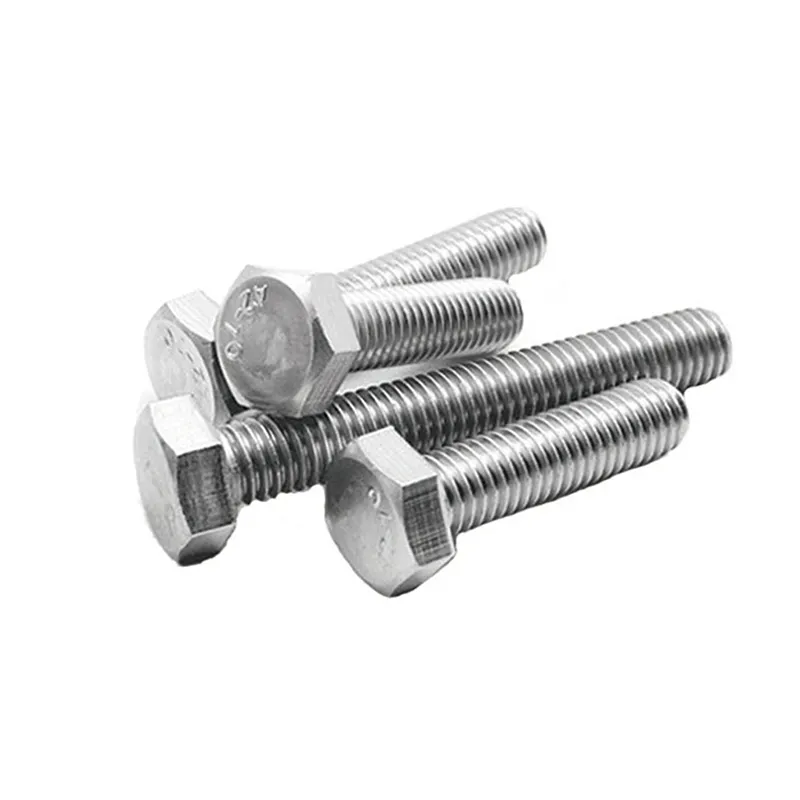
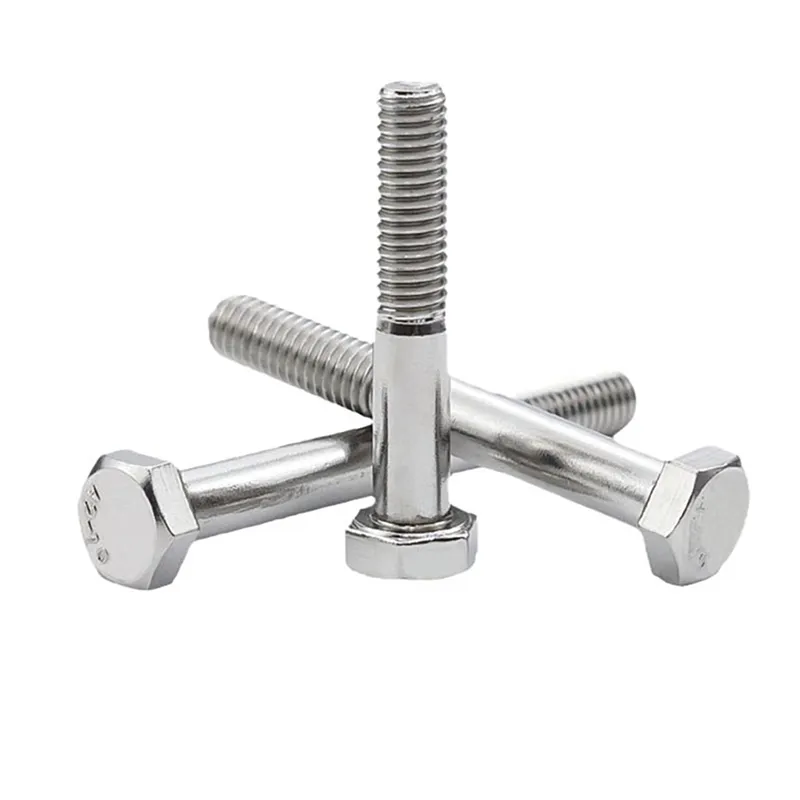
Manufactured according to various international standards, hex bolts can be classified into fully threaded hex bolts and partially threaded hex bolts.
| Type | Features | International Standards | Typical Applications |
| Full Thread Hex Bolts | Threads extend along the entire shank, providing stronger adjustment flexibility | DIN 933 / ISO 4017 | Machinery assembly, general fastening |
| Half Thread Hex Bolts | Unthreaded section provides better shear strength and positioning performance | DIN 931 / ISO 4014 | Heavy-duty structures, automotive, equipment assembly |
2. Structural Bolts
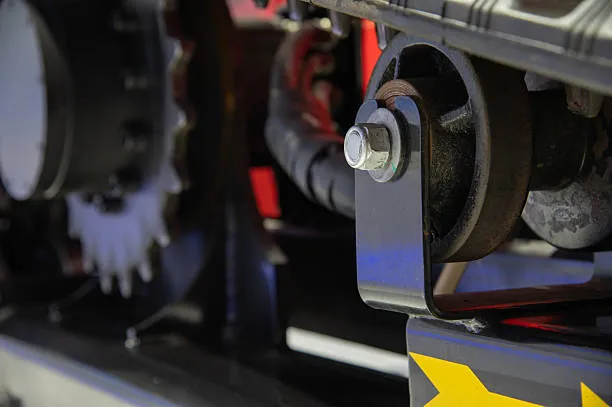
Structural bolts are high-strength fasteners specially designed for steel structures and heavy-duty connections.
Typically manufactured to high-strength standards—such as HV and ASTM A325/A490 specifications—these bolts can withstand high tensile loads and shear forces, ensuring reliable performance in demanding structural applications.
The differences between structural bolts and ordinary hex bolts are as follows:
| Comparison | Structural Bolts | Hex Bolts |
| Main Purpose | Heavy-duty structural connections | General fastening applications |
| Strength Requirement | High-strength grades (HV, A325, A490) | Various grades depending on application |
| Load Performance | Designed for high tensile and shear loads | Suitable for standard mechanical loads |
| Applications | Steel buildings, bridges, infrastructure | Machinery, equipment, general assembly |
| Quality Control | Stricter testing and performance requirements | Standard quality requirements |
3. Anchor Bolts
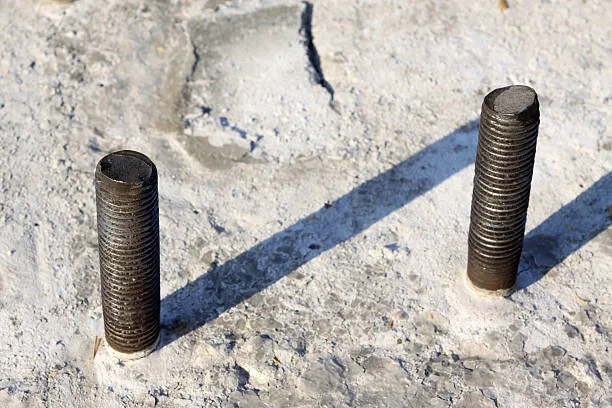
Anchor bolts are specialized fasteners used to secure structures, equipment, and steel components to concrete foundations. Anchor bolts come in two types: embedded and post-installed.
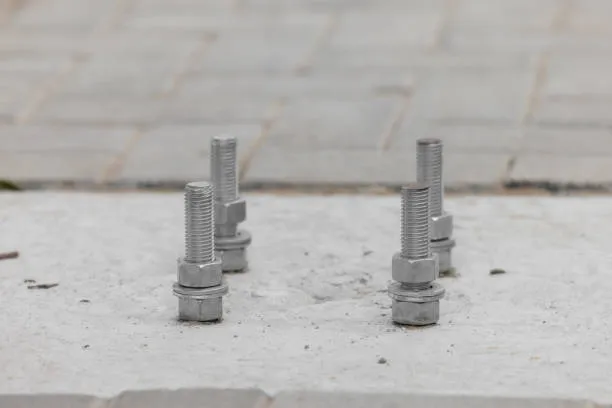
| Type | Features | Typical Applications |
| Embedded Anchor Bolts | Installed before concrete pouring and embedded directly into the foundation | Steel structures, building foundations, heavy equipment installation |
| Post-Installed Anchor Bolts | Installed into existing concrete using drilling and anchoring methods | Equipment upgrades, structural reinforcement, renovation projects |
Besides, depending on application requirements, anchor bolts are available in various materials—such as carbon steel, stainless steel, and high-strength steel—with surface treatments primarily consisting of hot-dip galvanizing and zinc plating.
Anchor bolts are commonly used for:
- Steel structure column connections
- Industrial machinery foundations
- Solar mounting structures
- Bridges and infrastructure projects
- Heavy equipment installation
4. U Bolt
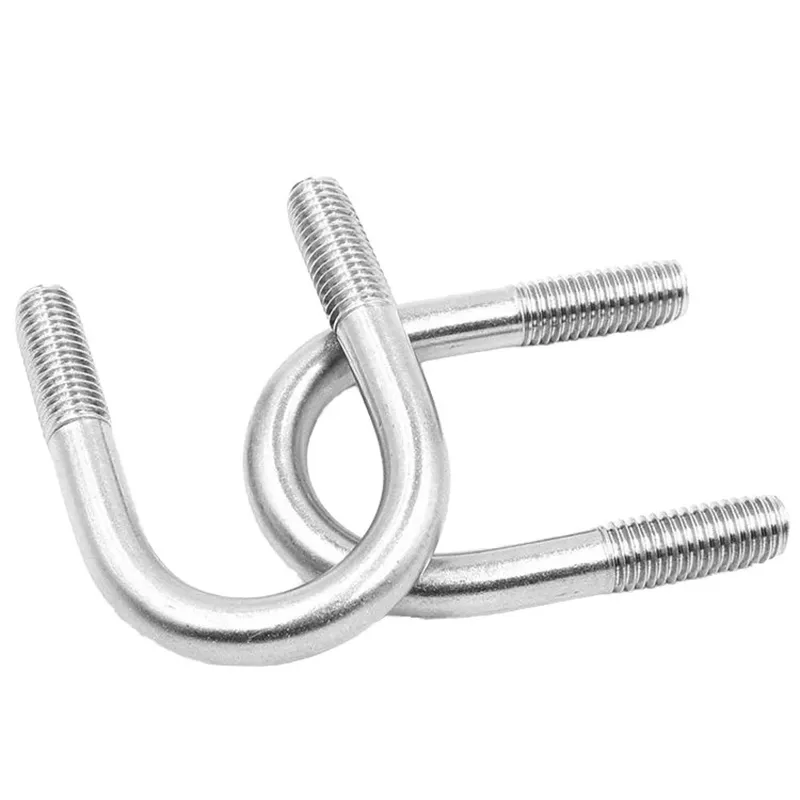
U-bolts are bent fasteners featuring a U-shaped body and threaded ends, common applications include:
- Pipe securing and support systems
- Piping and HVAC installations
- Automotive suspension components
- Industrial equipment installation
- Cable and structural support systems
- Anti-loosening design and load-bearing capaci
U-bolts provide strong clamping force, the combination of nuts and washers enhances connection stability, and dimensions can be customized to meet specific pipe diameters and load requirements.
5. Carriage Bolt
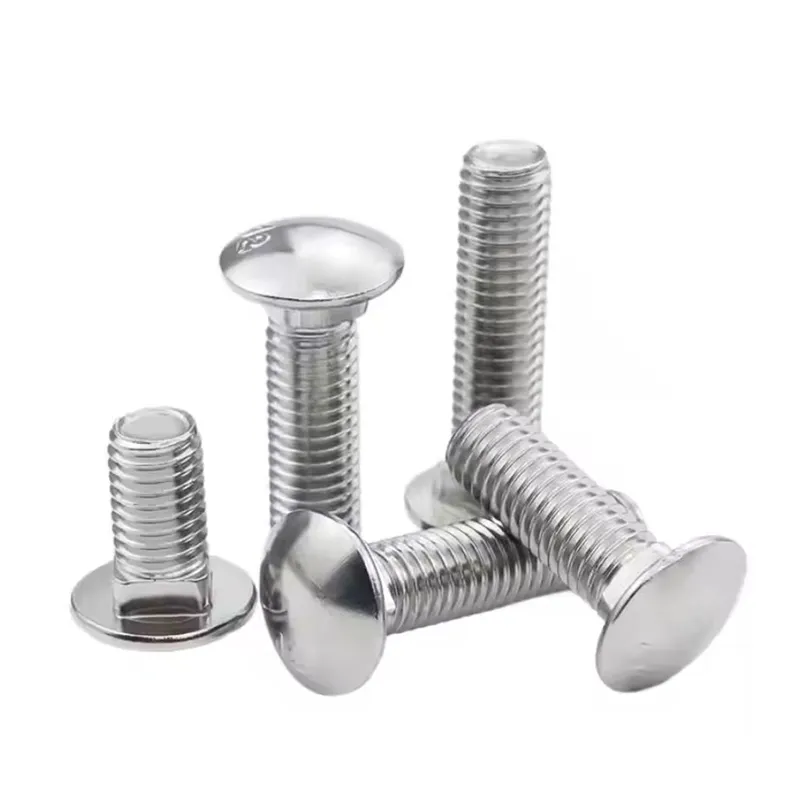
Carriage bolts are specialized fasteners featuring a rounded head and square neck design, they are widely used in wood structures and metal connections.
The square neck design allows the bolt to automatically lock in place when installed:
- Prevents the bolt from spinning during nut tightening
- Enables single-side tightening without holding the bolt head
- Improves installation efficiency and connection stability
Carriage bolts are commonly used for:
- Wooden structures and furniture assembly
- Decks, fences, and outdoor construction
- Metal-to-wood connections
- General machinery and equipment fastening
6. Square Bolts
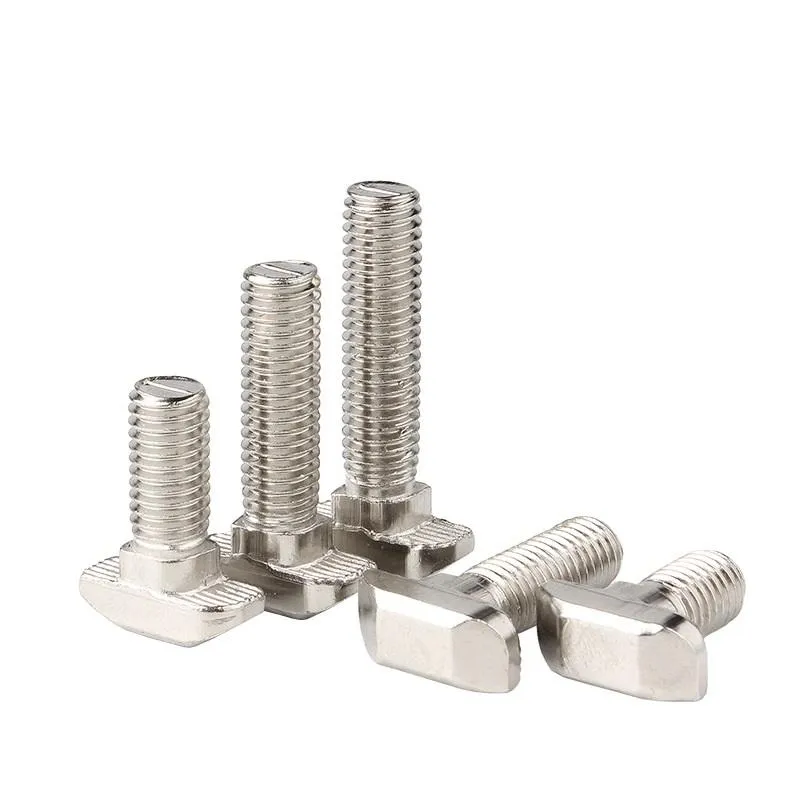
Square bolts are fasteners featuring a square-shaped head, offering superior grip and resistance to rotation.
Compared to standard hex bolts, square bolts are often the preferred choice for applications requiring a strong grip, anti-rotation capabilities, and reliable fastening.
7. Eye Bolts
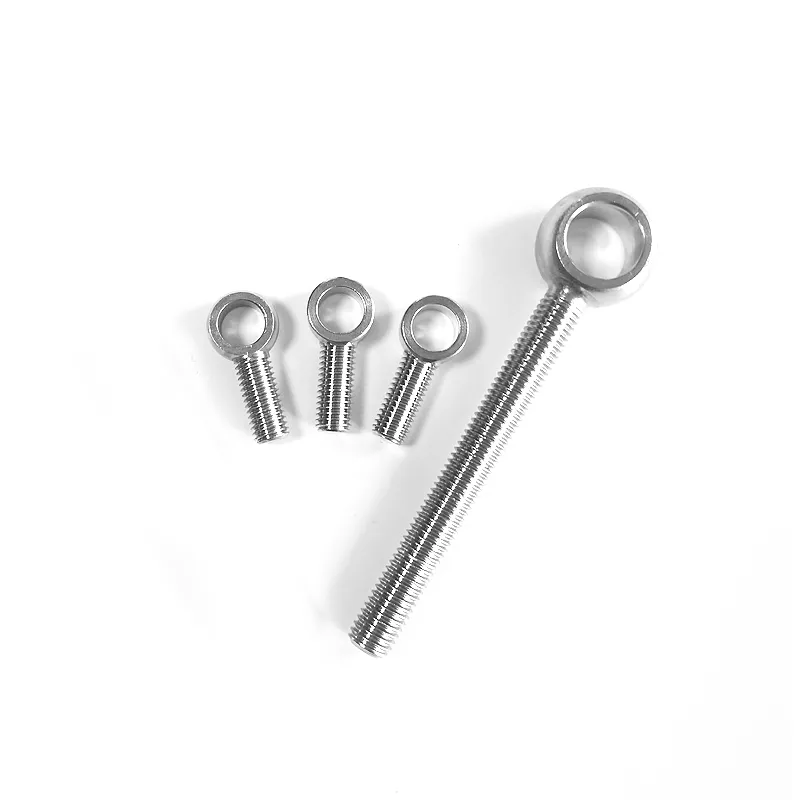
Eye bolts are fasteners with a looped eye structure, designed for lifting, rigging, and securing applications. They provide a reliable connection point for hooks, cables, chains, and other lifting equipment.
When selecting eye bolts, factors such as the working load limit, load direction, material strength, and manufacturing quality should be considered, as these directly impact safety and service life.
Strict adherence to manufacturer specifications during installation and use is crucial for ensuring lifting safety.
| Type | Features | Applications |
| Forged Eye Bolts | Manufactured through metal forming, offering higher strength and better toughness | Heavy-duty lifting, industrial rigging, high-load applications |
| Cast Eye Bolts | Produced by casting process, suitable for simpler designs and general applications | Light-duty fastening and non-critical applications |
8. Flange Bolts
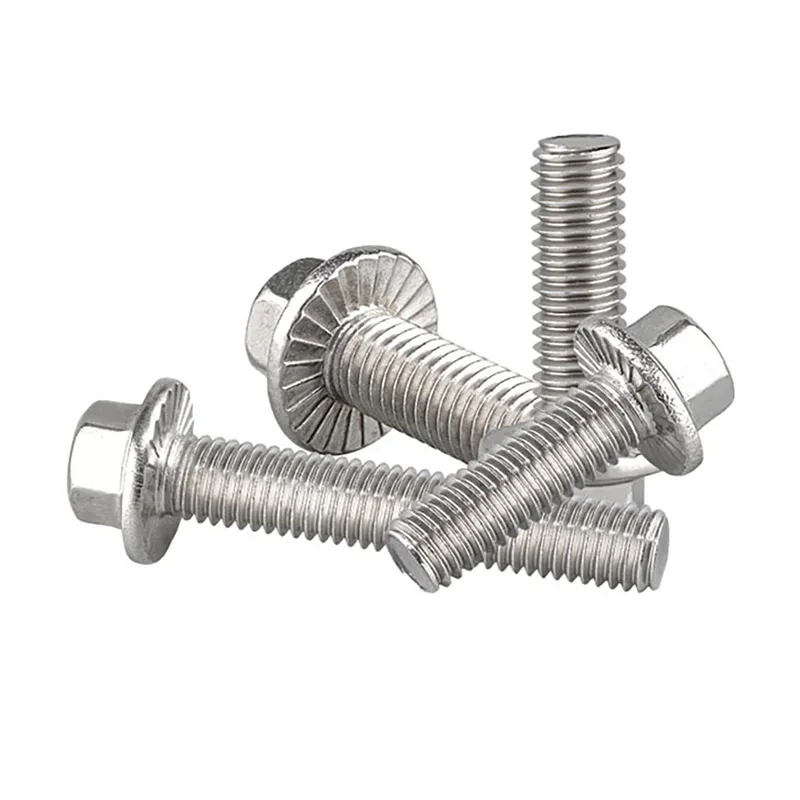
Flange bolts are bolts with an integrated flange under the head, which works like a built-in washer. This design provides better load distribution, improved fastening stability, and reduced risk of loosening compared with standard bolts.
A more detailed comparison with standard bolts follows below.
| Comparison | Flange Bolts | Standard Hex Bolts |
| Head Design | Integrated flange under the head | Requires separate washer if needed |
| Load Distribution | Larger contact area, better pressure distribution | Smaller contact area |
| Installation Efficiency | Faster assembly with fewer components | Requires additional washers in many applications |
| Anti-Loosening Performance | Better stability under vibration | Depends on washer or locking method |
| Typical Applications | Automotive, machinery, industrial equipment | General fastening applications |
9. Stud Bolts
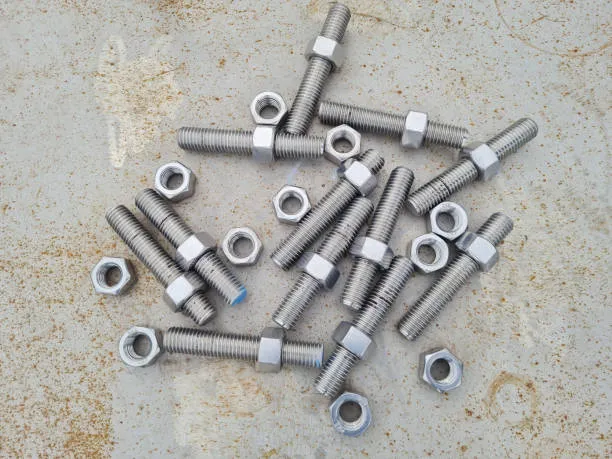
Stud bolts are headless fasteners with threads on both ends, commonly used with nuts to create strong and reliable connections. They are widely applied in high-temperature and high-pressure environments, especially in petrochemical equipment and flange connections.
Industrial stud bolts are commonly manufactured according to ASTM standards, including:
- ASTM A193 – High-temperature service stud bolts, commonly used in pressure equipment
- ASTM A320 – Low-temperature service stud bolts
- ASTM A194 – Matching nut specifications for high-pressure applications
10. Custom & Non-Standard Bolts
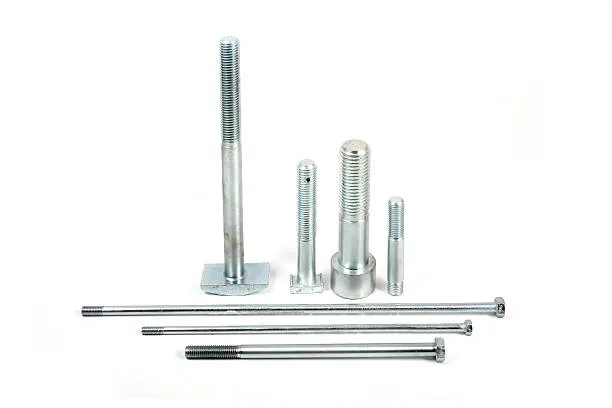
Custom and non-standard bolts are specially designed fasteners manufactured according to specific application requirements. Compared with standard bolts, they provide greater flexibility in materials, dimensions, structures, and performance specifications.
Non-standard custom bolts require manufacturers to possess OEM/ODM customization capabilities to meet customer-specific requirements and mass production needs.
Non-standard bolts can be produced using different materials according to application needs:
- Stainless steel – Provides excellent corrosion resistance for marine, outdoor, and chemical environments
- Alloy steel – Offers high strength and load-bearing capability for heavy-duty applications
- Titanium – Provides lightweight performance and excellent corrosion resistance for demanding industries
Materials Used in Different Types of Bolts
The material selection of bolts directly affects strength, corrosion resistance, temperature performance, and overall service life. Different applications require different materials and surface treatments.
Common Bolt Materials
| Material | Key Features | Typical Applications |
| Carbon Steel Bolts | High strength, cost-effective, widely used for general fastening | Machinery, construction, automotive, industrial equipment |
| Stainless Steel Bolts | Excellent corrosion resistance and durability, suitable for harsh environments | Marine, outdoor equipment, food processing, chemical applications |
| Alloy Steel Bolts | Higher strength and better performance under high temperature and heavy loads | Heavy machinery, pressure equipment, high-performance applications |
Common Surface Treatments
| Surface Treatment | Features | Applications |
| Zinc Plating | Provides basic corrosion protection and a smooth appearance | General indoor and industrial applications |
| Dacromet / Geomet Coating | Excellent corrosion resistance, suitable for harsh outdoor environments | Automotive, construction, heavy equipment |
| Black Oxide | Improves appearance and provides mild corrosion protection | Machinery, precision equipment, indoor applications |
How to Select the Right Type of Bolt?
When selecting the appropriate bolt type, consider load requirements, the operating environment, material compatibility, and industry standards to ensure a safe and reliable fastening connection.
1. Load Requirements
- Tensile load — Select a bolt with a sufficient strength grade to withstand tensile forces.
- Shear load — Select a bolt with an appropriate diameter and material strength to withstand shear forces (sliding forces).
- High-load applications — Use structural bolts or high-strength alloy steel bolts when necessary.
2. Operating Environment
Carbon steel bolts are preferred for indoor applications; galvanized or stainless steel bolts are suitable for outdoor environments; marine or chemical environments require 316 stainless steel bolts or advanced surface coating technologies.
3. Material Compatibility
Carbon steel offers a favorable cost-performance ratio; stainless steel is suitable for corrosion-resistant applications; alloy steel is required for high-strength, high-temperature, or heavy-load conditions.
4. Standards and Certification Requirements
- ISO standards — International specifications for bolt dimensions and performance.
- DIN standards — Standards commonly used in European industrial applications.
- ASTM standards — Widely used in construction, structural, and engineering projects.
Conclusion
Choosing the right types of bolts is essential for ensuring connection strength, safety, and long-term reliability. Factors such as material, load requirements, application environment, standards, and surface treatment all affect bolt performance.
Hongyuan Fastener possesses a comprehensive manufacturing process—spanning from design to packaging—to provide reliable bolting solutions for a wide range of industrial applications. Contact Hongyuan Fastenertoday for professional bolting solutions tailored to your project requirements.






