
 English
  Arabic
  Dutch
Dutch  French
  German
  Italian
  Portuguese
  Russian
  Spanish
 Why Customized Screws Are a Key Factor in Automated Assembly Lines in 2026
With the development of automation and smart manufacturing, production lines have higher requirements for precision, consistency and efficiency. In actual production, standard fasteners can hardly meet the stability needs of high-speed automated systems.
Customized screws have become an important way to improve manufacturing performance. They help stabilize assembly, reduce unplanned downtime and ensure consistent quality. For manufacturers, fasteners are no longer just simple parts, but key to equipment performance and long-term competitiveness.
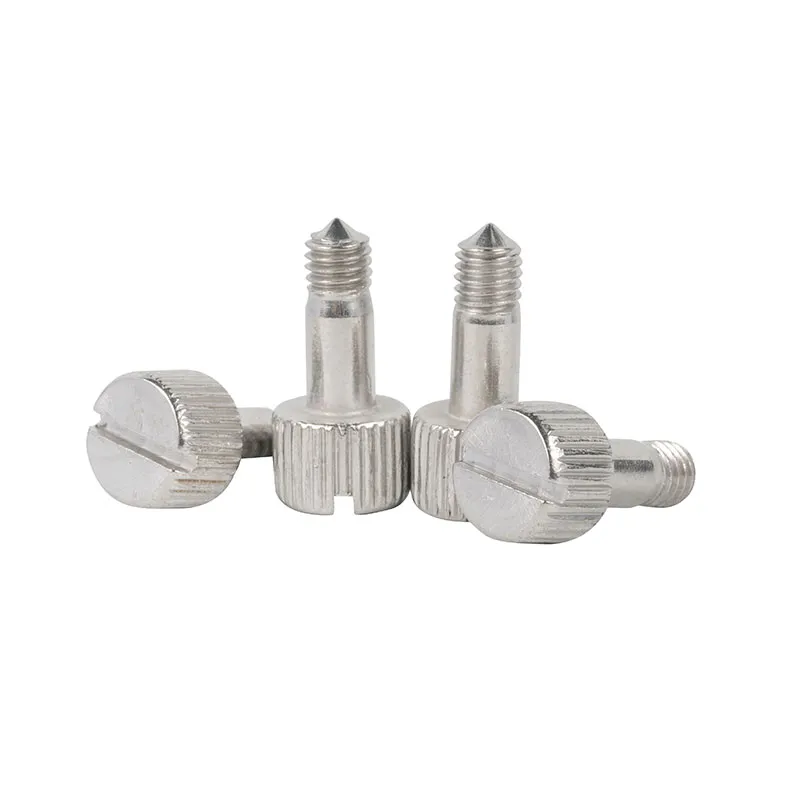
- Higher precision: Designed to match automated tools, ensuring accurate and consistent fastening.
- Better compatibility: Optimized for screw feeders and robotic systems, reducing errors and jams.
- Faster assembly: Features like self-alignment and improved thread design help shorten cycle time.
- Enhanced reliability: Tailored materials and coatings improve performance in demanding environments.
Overall, customized screws help manufacturers improve efficiency, reduce downtime, and achieve more stable production results.
The Changing Role of Fasteners in Automation
Traditional Assembly: Higher Tolerance for Variation
When assembly is done by hand, workers can make small changes on the spot, like adjusting position or tightening force. This kind of flexibility makes standard fasteners acceptable, even when parts are not perfectly identical.
Automated Assembly: Demands for Precision and Control
Automated lines work differently. Machines need parts to stay the same size and perform reliably. Even small differences in a screw’s size, thread or head can lead to feeding errors, misalignment or unstable torque, which can pause or slow down production.
From General Components to System-Adaptive Parts
Fasteners are no longer just basic universal parts. They are now made to fit specific machines and production processes, acting as part of the whole automation system instead of being separate components.
The Foundational Role of Customized Screws
Customized screws provide the stability that automated systems need. With a better fit and more consistent performance, they help production run more smoothly, cut down on unexpected stops, and support more efficient and steady manufacturing.
New Requirements for Screws in Automated Assembly Lines
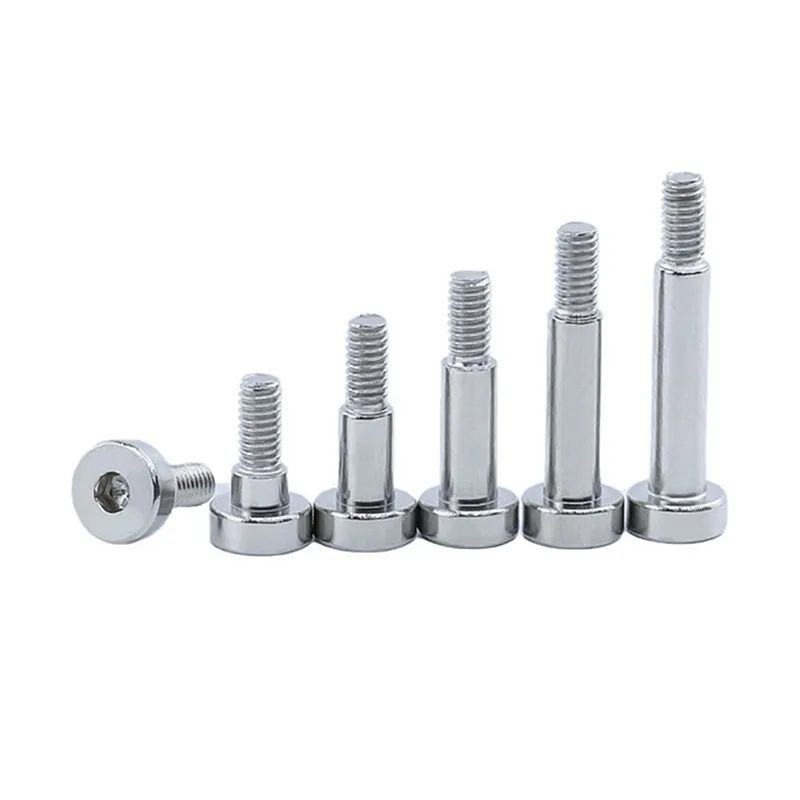
1.Stability in High-Speed Feeding
Automated production lines need screws to be supplied quickly and smoothly. Uniform sizes, suitable surface treatment and anti-stuck design are all important to keep feeding stable and avoid interruptions.
2.Compatibility with Robotic Handling
Screws should be designed so that robotic arms or feeding devices can pick them up easily. Reasonable head shapes, magnetic characteristics and accurate dimensions help improve clamping accuracy and reduce feeding errors.
3.Repeatable Fastening Accuracy
Automated equipment relies on stable torque and position. Screws need consistent thread quality and strict tolerances to make sure each tightening is accurate and repeatable.
4.Reliability for Continuous Operation
Many production lines run nonstop for a long time. Screws have to keep performing steadily under frequent use, lowering the chance of abrasion, damage and production downtime.
How Customized Screws Solve Pain Points in Automated Assembly
Structural design improves feeding efficiency
- Optimize head shape to reduce flipping and overlapping
- Control length tolerance for stable track feeding
- Improve consistency in automated feeding systems
Optimized thread design enhances fastening performance
- Adjust pitch and thread profile for different materials
- Reduce torque fluctuation during locking
- Improve fastening stability and repeatability
Surface treatment improves assembly stability
- Use coatings or lubrication to control friction
- Prevent jamming and over-tightening
- Ensure smoother fastening process
Material customization meets working conditions
- Alloy steel for high-strength applications
- Stainless steel for corrosion resistance environments
- Aluminum or titanium for lightweight requirements
Typical Application Scenarios Analysis
1. New Energy Vehicle (NEV) Battery Production Lines
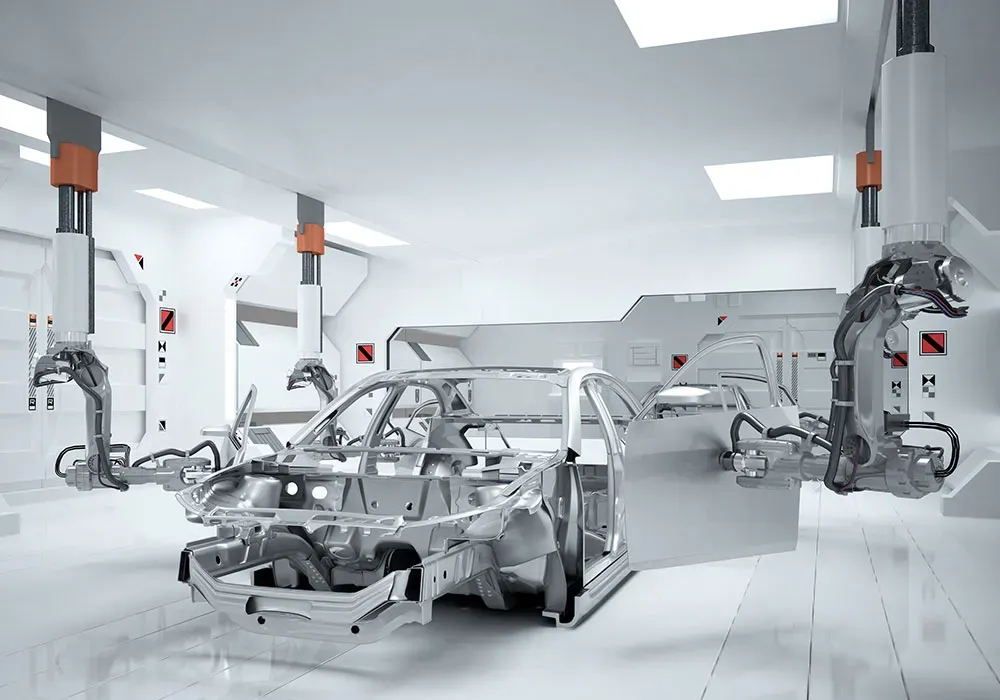
- High precision fastening for battery modules
- Vibration resistance and safety assurance
- Suitable for high-speed automated assembly
2. Consumer Electronics Automated Assembly Lines
- Ultra-small and high-precision fasteners required
- Compatible with robotic micro-assembly systems
- Reduces defects in mass production
3. Industrial Equipment Mass Production Lines
- Focus on long-term durability and stability
- Reliable performance under continuous operation
- Supports heavy-load automated manufacturing
4. Medical Device Manufacturing Lines
- High requirements for precision and cleanliness
- Stainless or coated screws for biocompatibility and corrosion resistance
- Ensures stable performance in strict quality environments
5. Aerospace & Precision Engineering Applications
- Extremely high standards for strength-to-weight ratio
- Custom alloys like titanium are commonly used
- Must withstand vibration, pressure, and extreme conditions
6. Smart Home & IoT Device Assembly
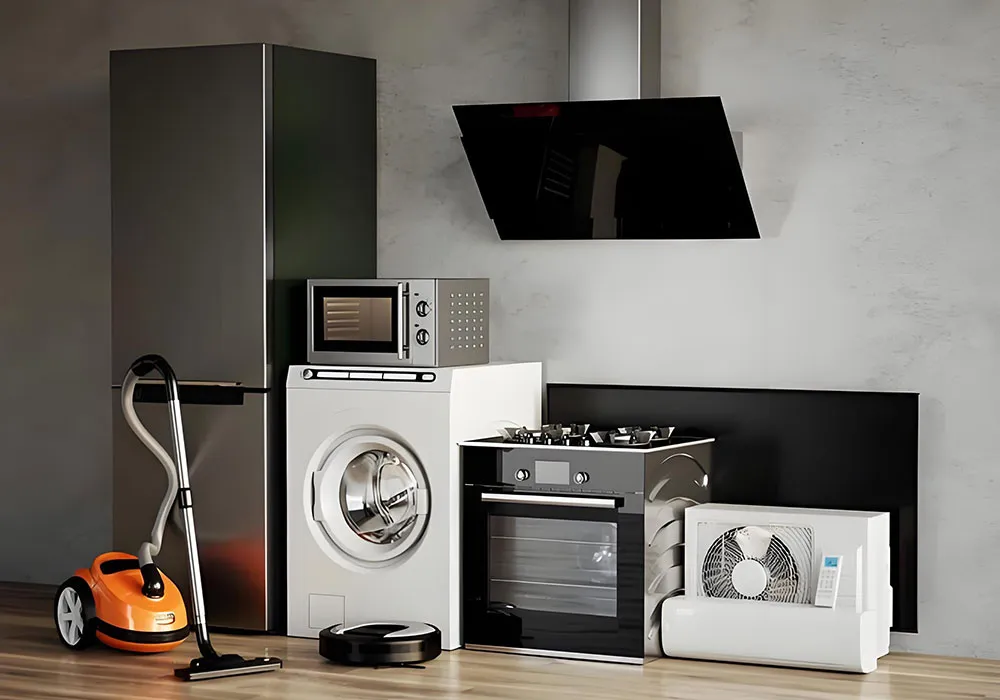
- Small-sized, highly consistent fasteners required
- Supports compact structural designs
- Enables efficient automated assembly in high-volume production
Key Technical Considerations in Customized Screw Design
- Dimensional tolerance control (±0.01 mm level): Ensures high consistency for automated feeding and fastening; reduces jamming and improves pick-and-place stability in robotic systems
- Head design: Improves torque transmission and tool engagement; reduces cam-out risk and enhances reliability in high-speed locking processes
- Thread precision & surface roughness: Guarantees smooth insertion and stable torque; reduces friction variation and improves fastening repeatability
- Surface treatment consistency: Stable coating thickness and friction coefficient ensure uniform tightening force across large-scale production
- Automation compatibility testing: Includes feeder testing, robotic gripping checks, and torque verification to ensure smooth integration with automated assembly lines
Standard Screws vs Customized Screws in Automated Assembly
| Comparison Item | Standard Screws | Customized Screws |
| Failure Rate | Higher risk of jamming, misfeeds, and thread stripping | Lower failure rate with optimized design for automation |
| Production Stability | More interruptions and manual adjustments required | Stable cycle time with fewer stops and interventions |
| Overall Cost | Lower initial cost but higher hidden costs (rework, downtime) | Higher initial cost but lower long-term operating cost |
| Quality Consistency | Batch variation may affect fastening performance | High consistency across batches ensures stable quality |
| Equipment Compatibility | Generic design, limited adaptation to machines | Designed to match feeders, robots, and torque systems |
| Maintenance Demand | More frequent maintenance and troubleshooting | Reduced maintenance needs due to stable performance |
What to Consider When Choosing a Customized Screw Supplier
- Non-standard design capability: Ability to develop customized solutions based on specific application and automation requirements
- Small-batch prototyping & fast iteration: Support for sample production and quick design adjustments to speed up development cycles
- Manufacturing process maturity: Advanced and stable production processes ensure dimensional accuracy and consistent quality
- Quality inspection & traceability system: Strong quality control with full traceability helps guarantee product reliability and batch consistency
- Automation industry experience: Proven track record in automated assembly environments ensures better compatibility and practical performance
Conclusion
Higher automation requires higher fastener performance. Customized screws directly impact line efficiency and stability, and early design involvement is key to better results.
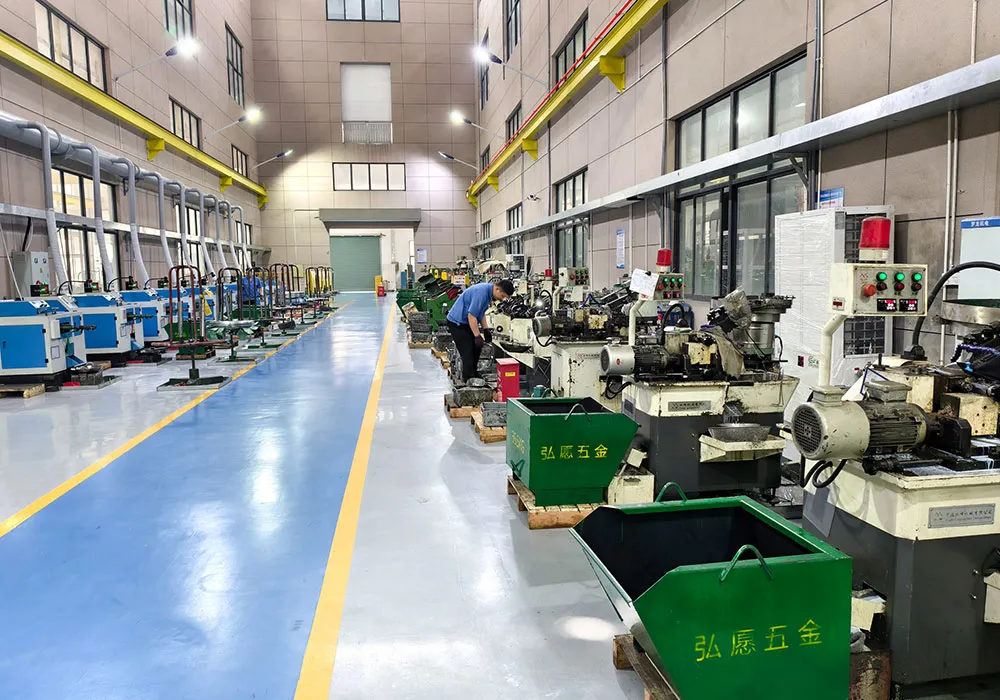
If you are upgrading your automation line, contact us for tailored custom screw solutions to improve stability and efficiency.






