English
  Arabic
  Dutch
Dutch  French
  German
  Italian
  Portuguese
  Russian
  Spanish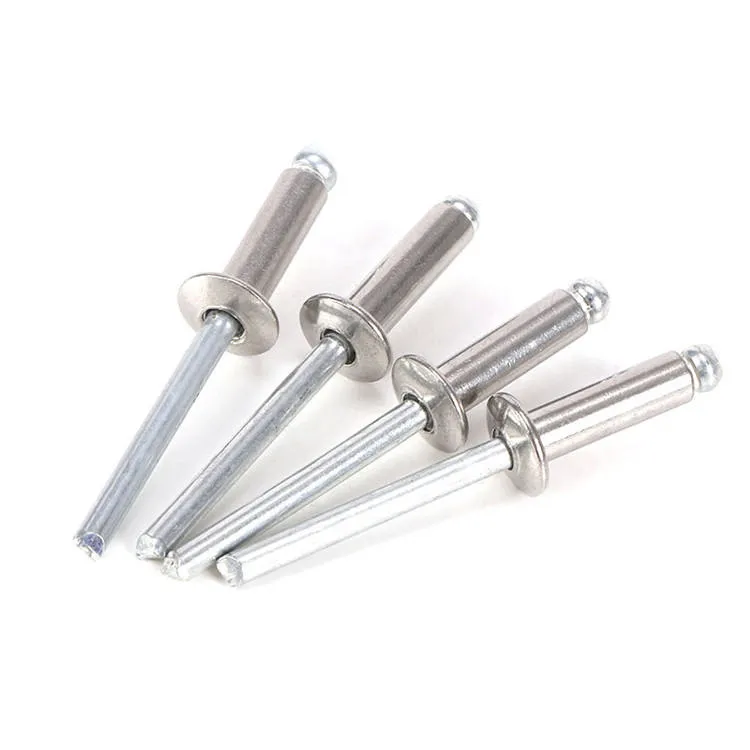
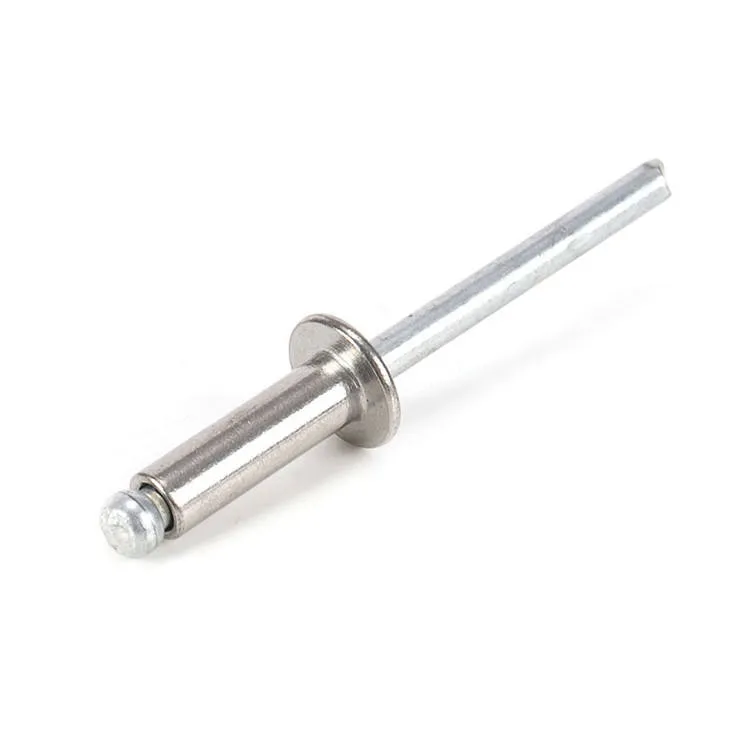
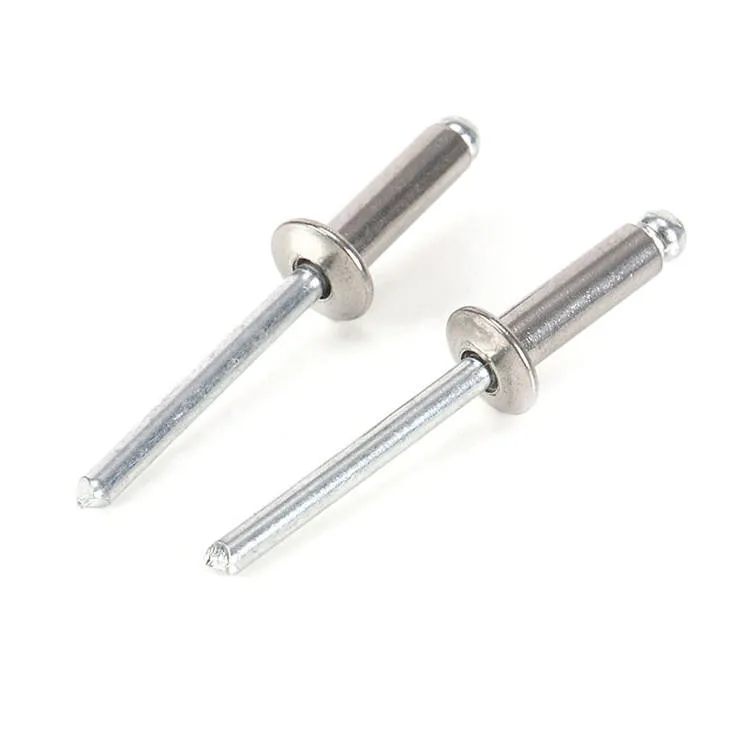
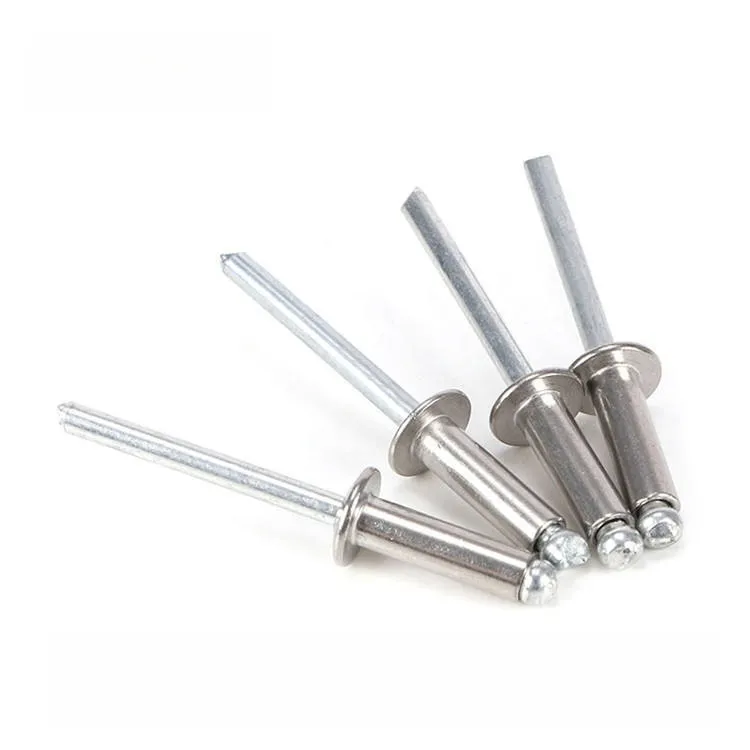
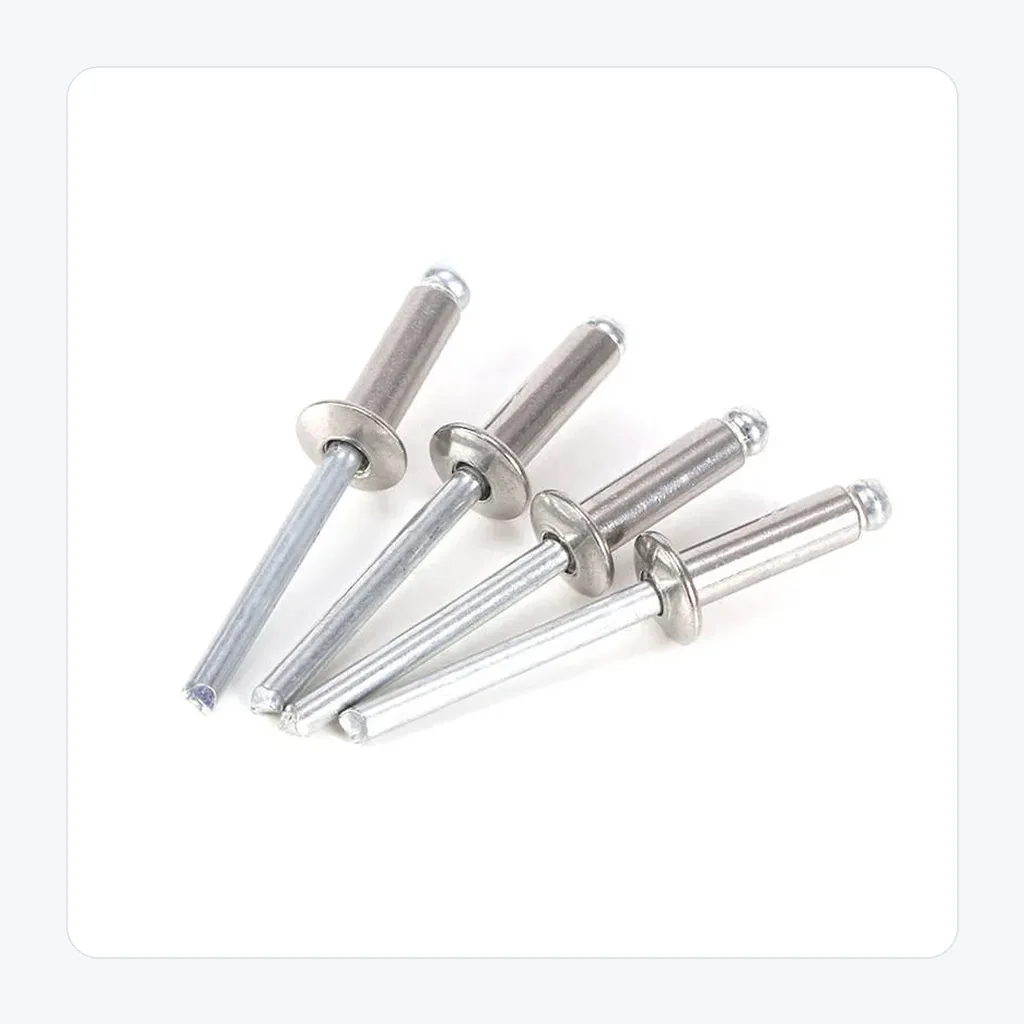
Product Overview
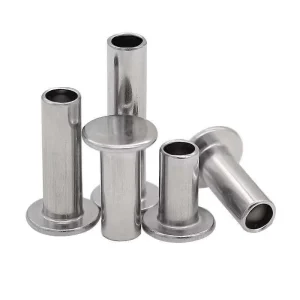
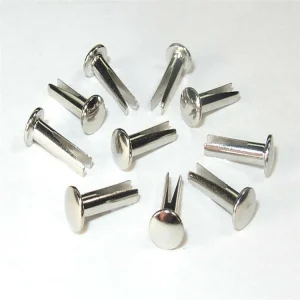
For sheet, linkage or retained-joint assembly, selecting the correct blind rivet involves more than matching the overall appearance. The controlling geometry covers the head, body diameter, working length and retention or setting feature; the remaining RFQ data are material condition, dimensional tolerances and acceptance method. The material scope is carbon steel, stainless steel or another specified alloy; final grade is drawing-controlled.
Product Photo Gallery
|
Complete Product View
|
Head and Drive Detail
|
Thread / Body Detail
|
Side Profile Detail
|
Multi-Angle Product View
|
Product Specifications
| Product name | Blind Rivet |
|---|---|
| Product type | blind rivet |
| Category | Pop Rivets and Pins |
| Visible structure | drawing-controlled head, body and thread geometry |
| Material | Stainless steel, carbon steel or selected alloy; final grade confirmed during RFQ review |
| Thread | Non-threaded joining component unless otherwise specified; body, mandrel or leg geometry controlled by the approved drawing |
| Dimensions & tolerance | Diameter, length, pitch, thread length and critical tolerances produced to the approved drawing or sample |
| Surface finish | As specified and confirmed before production |
| Packaging | Bulk, small box, carton or buyer-specified protective export packing |
Selection and RFQ Notes for This Blind Rivet
Industrial product catalogues commonly separate comparable parts by standard, material/grade, diameter × length, pitch, thread coverage, head/drive and pack quantity. For this page those fields are treated as RFQ inputs, not assumed stock specifications.
- Size callout: State diameter × overall length, pitch, threaded length or grip length, and every non-standard shoulder, collar or bore dimension.
- Interface geometry: Confirm the head, body diameter, working length and retention or setting feature, together with the mating-part dimensions and any installation clearance limit.
- Material condition: Specify carbon steel, stainless steel or another specified alloy; final grade is drawing-controlled; do not use the word “stainless” or “high strength” as the only acceptance requirement.
- Installation fit: Review joint stack thickness, access from one or both sides and shear, retention and serviceability for the intended sheet, linkage or retained-joint assembly.
- Inspection: Identify the dimensions and functions that are critical to the blind rivet, together with gauges, reports, sampling level and packaging protection.
Typical Applications
- Sheet-metal, enclosure and fabricated-component joining
- Automotive, appliance and equipment assembly
- One-sided or permanent OEM fastening applications
Application suitability depends on the final material grade, dimensions, mating parts, installation method, load and service environment. Please share assembly details for engineering review.
Drawing-Controlled Structure and Key Features
- Drawing-controlled head
- Body and thread geometry
- Drawing-controlled dimensions, tolerances and thread engagement
- Material, finish and inspection plan configured for the application
The visible features shown in the photos support RFQ review, while the approved drawing, standard and agreed inspection criteria remain the controlling production documents.
Quality Inspection Process
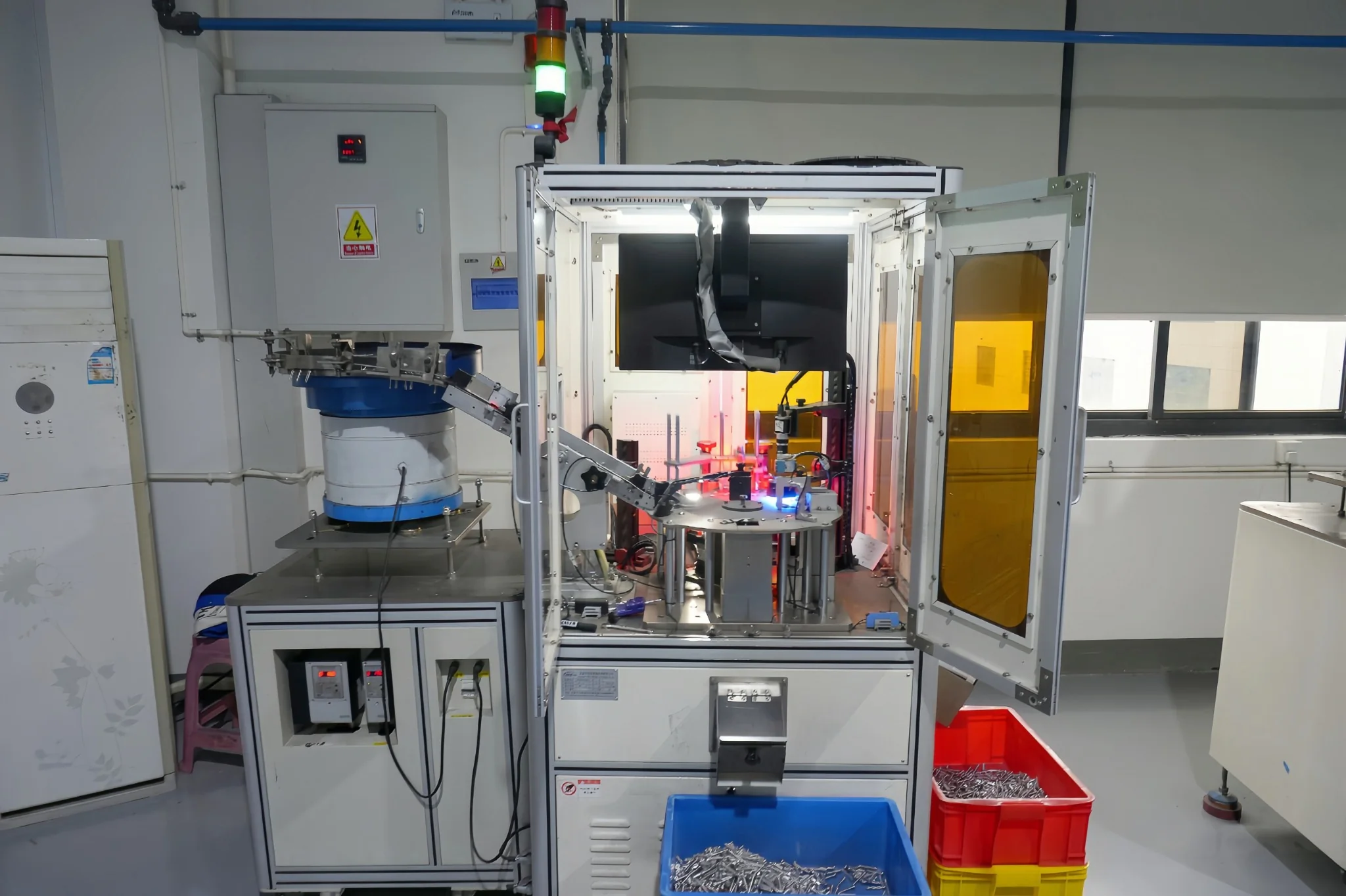
The control plan should follow the buyer’s critical-to-function dimensions and the agreed sampling level. Typical checkpoints are body diameter and length, head geometry, mandrel or leg form, and joint-range and setting performance. Certificates or special reports are supplied when they are included in the quotation.
- Material and surface-condition verification
- Critical-dimension and tolerance inspection
- Thread gauge, head and drive geometry checks
- Final appearance, count and packaging inspection
Optical / Vision Sorting Inspection
For suitable higher-volume orders, optical or vision sorting can be evaluated for measurable and visible characteristics such as overall profile, head presence, length, drive condition and selected surface defects. The approved drawing and agreed functional tests remain the acceptance criteria.
Drawing and Customization Requirements
For Blind Rivet, send a dimensioned drawing or marked sample showing the standard reference, material/grade, size notation, thread data where applicable, head, body diameter, working length and retention or setting feature, finish and packaging. Also identify joint stack thickness, access from one or both sides and shear, retention and serviceability because these points affect suitability for sheet, linkage or retained-joint assembly. Any unmarked dimension remains subject to technical clarification before tooling or production.
Customization & Order Information
| MOQ | Confirmed according to geometry, material, process and order requirements |
|---|---|
| Sample lead time | Confirmed after drawing, material and tooling review |
| Mass-production lead time | Confirmed according to quantity, process and inspection plan |
| Packaging | Bag, box, carton or customer-specified protective export packaging |
| Inspection / compliance | Project-specific requirements confirmed in the quotation |
Frequently Asked Questions
How should the material grade be specified for sheet, linkage or retained-joint assembly?
State the required grade or alloy, mechanical condition, corrosion exposure and certificate requirement. The current material scope is carbon steel, stainless steel or another specified alloy; final grade is drawing-controlled.
Which interface dimensions should be controlled on this blind rivet?
Confirm the head, body diameter, working length and retention or setting feature, mating-part dimensions, assembly clearance and any functional gauge or installation test. These points should be identified on the drawing.
Can Hongyuan manufacture from a physical sample?
Yes. A sample supports identification and reverse review, but a drawing or signed dimensional report should define the final acceptance criteria.
How are MOQ and lead time established?
They are quoted after material availability, forming or machining route, tooling, inspection level, finish, packaging and order quantity have been reviewed.
Which application details should accompany the RFQ?
Describe joint stack thickness, access from one or both sides and shear, retention and serviceability. These details help determine whether the proposed geometry and material suit sheet, linkage or retained-joint assembly.
Request a Quote
To quote Blind Rivet, send the target quantity, dimensioned drawing or sample, material/grade, finish, inspection and packaging requirements, and delivery destination. For a blind rivet used in sheet, linkage or retained-joint assembly, please also identify joint stack thickness, access from one or both sides and shear, retention and serviceability. Hongyuan will confirm manufacturability and commercial terms against the approved specification.
Explore more Hongyuan Fastener products or contact us with your drawing and quantity.
Related products